

PCA PRESS RELEASE
Four PCA Reps discuss how the professional game has impacted their wellbeing in their careers.
To see more articles, click here
Four members on the PCA Players’ Committee sat down to discuss mental health in their careers for Mental Health Awareness Week 2026, with the full video available below.
For a professional cricketer, alone at the crease or the end of their run-up, often the most natural way to deal with pressure and anxiety in the moment is to ignore it and focus on the game.
In life, as in cricket, ignoring stresses to mental health can be incredibly dangerous.
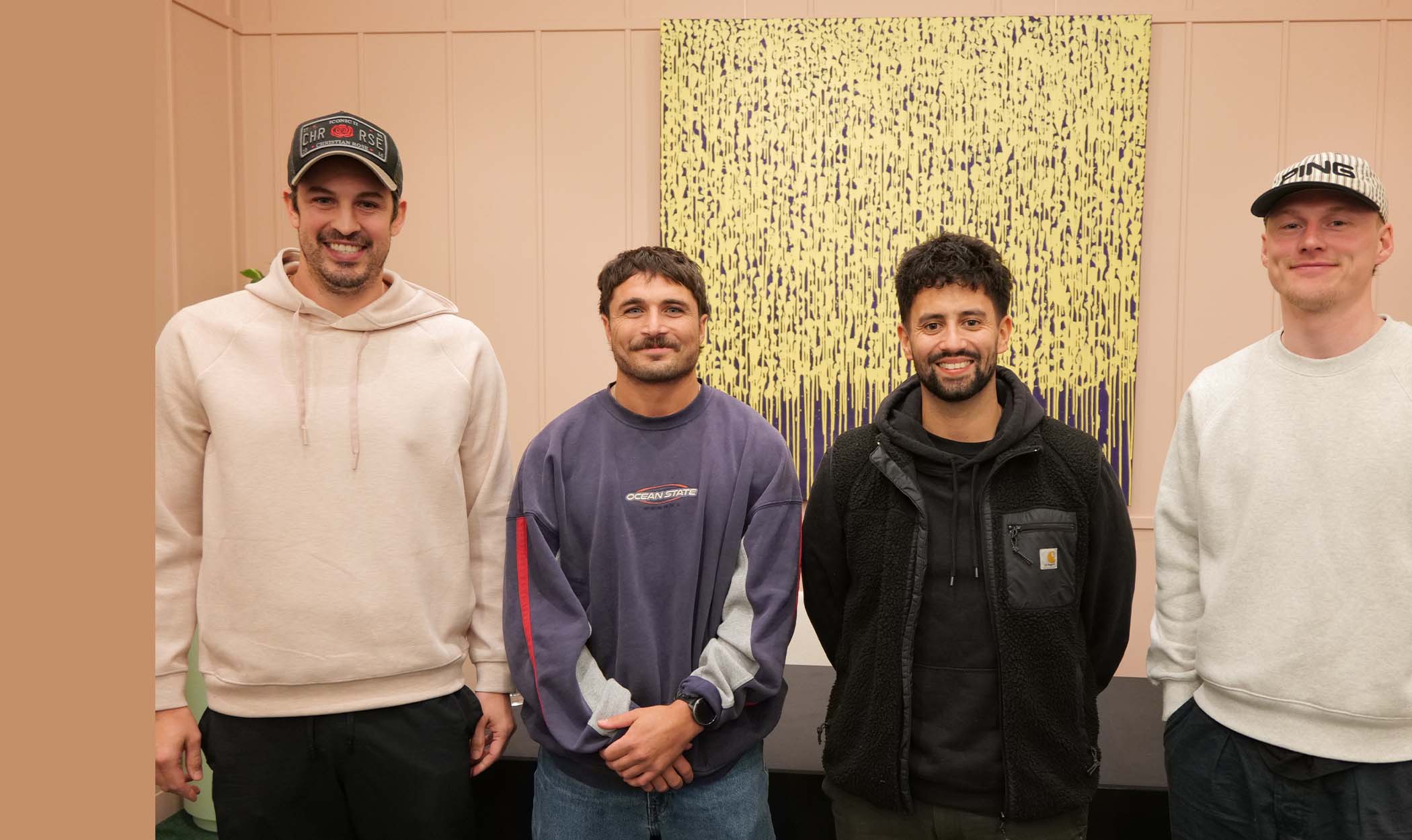
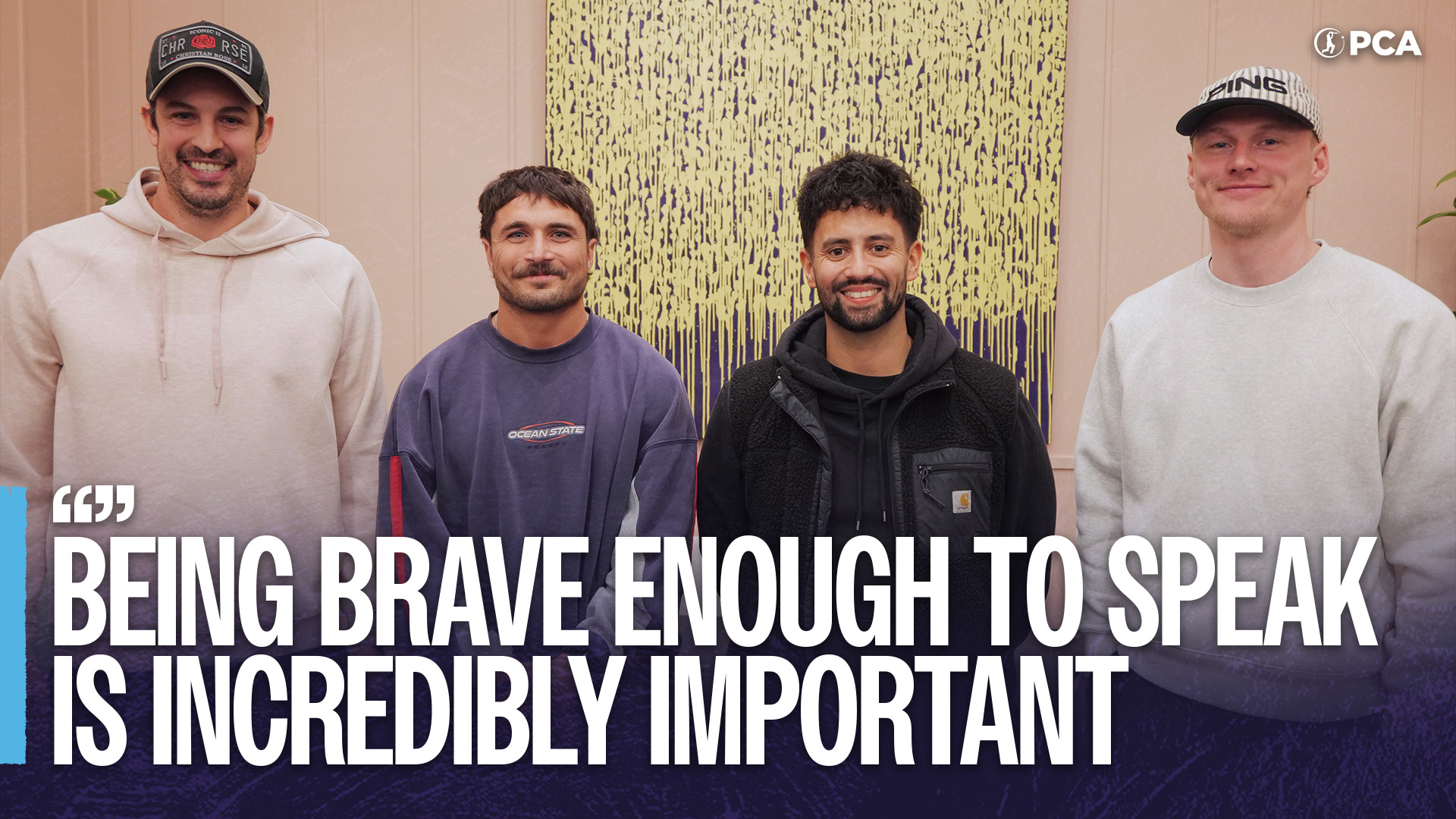
PCA Reps, Glamorgan’s Kiran Carlson, Gloucestershire’s Miles Hammond, Hampshire’s Chris Wood and Worcestershire’s Brett D’Oliveira sat down with the PCA to discuss their experiences in their careers so far.
The theme for Mental Health Awareness Week in 2026 is ‘Action’. Between 2021-2025, 239 cricketers have received mental health support from the Cricketers’ Trust, as seen in the Impact Report released earlier this year.
With therapy sessions funded by the charity having increased by 33%, taking action has been a key factor in how the Trust has been able to help those in need.
PCA VIDEO
Mental Health Awareness Week: Taking Action
Hear from four PCA reps about how they are 'Taking Action' this Mental Health Awareness Week.
Often, however, action means forcibly breaking a cycle and making significant life changes in order to seek help, something the demands of a professional cricket season leaves little room for.
“It’s so easy to say I feel terrible and go for 10 pints and try to forget about it, and the next day you’re up again, 100 overs in the dirt and nothing’s changed”, said Gloucestershire batter Miles Hammond.
“The hardest thing is often just speaking up and talking to people.
“Routines and self-care throughout the course of a season are so important. I know when I’m looking after myself, I’m playing better because I’m just in a better space generally.”
Playing cricket professionally comes with the risk of losing enjoyment from the game, particularly when results and performances are hard to come by.
Taking action helped Glamorgan captain Kiran Carlson alter his perspective on the game and enjoy playing again.
“A lot of my self-worth was tied into cricket,” said Carlson, who has publicly spoken about struggling with panic attacks related to his performance in the past.
“I grew up playing cricket from a young age, and being a pro from a younger age, I always tied it into: ‘if I perform well, I’m therefore worthy of praise and worthy of people’s love’.
“Cricket is a failure-based sport. It’s very rare you get a hundred or take a five-fer. The majority of time it will be indifferent or bad.
“But that shouldn’t mean you have a bad day. You can still turn up to the ground with a good attitude, speak to your mates, have a coffee. Those easy wins that mean you can have a good day regardless of how many runs you score or wickets you take.”
Like Carlson, Hampshire bowler Chris Wood has also been open about issues with his mental health, specifically surrounding an 11-year gambling addiction. Rehabilitation and therapy helped him reassess his career.
“Cricket is almost like an escape for me and a place where I feel very comfortable now”, he said.
“With my addiction, I used to never want to be at cricket because I wanted to be everywhere else to do what I needed to do in that moment of time. But now I’m in a position of recovery and a lot more comfortable with myself.
“I actually find going to the ground, the competitive environment, everything that comes with playing cricket, a bit of a safe space now.”
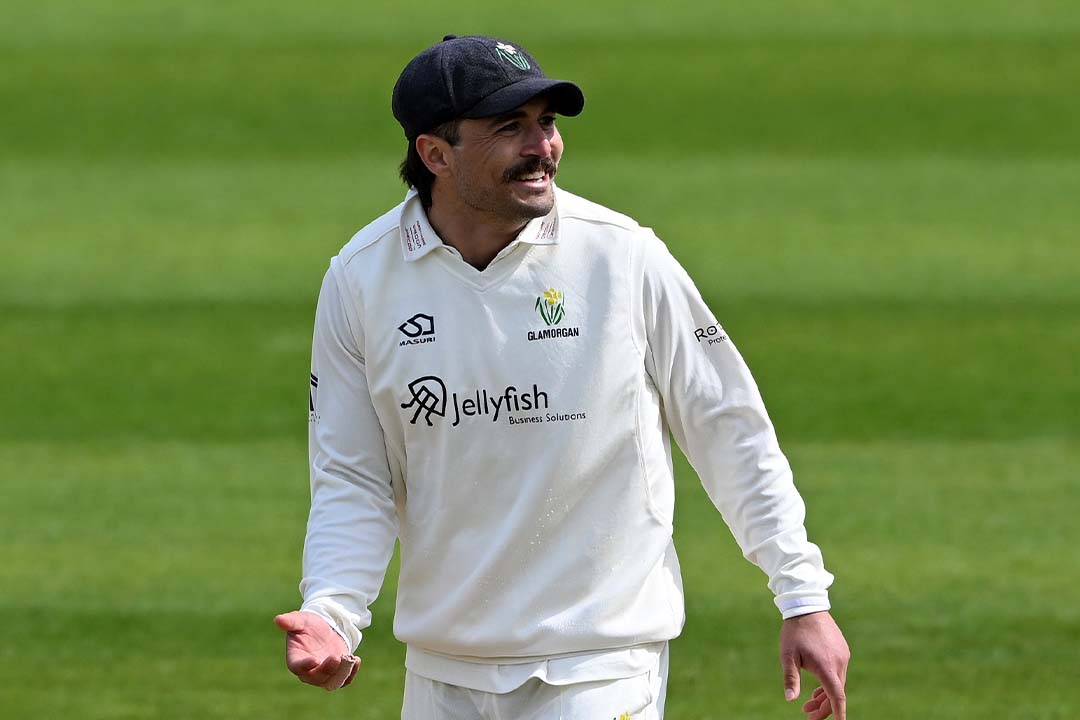
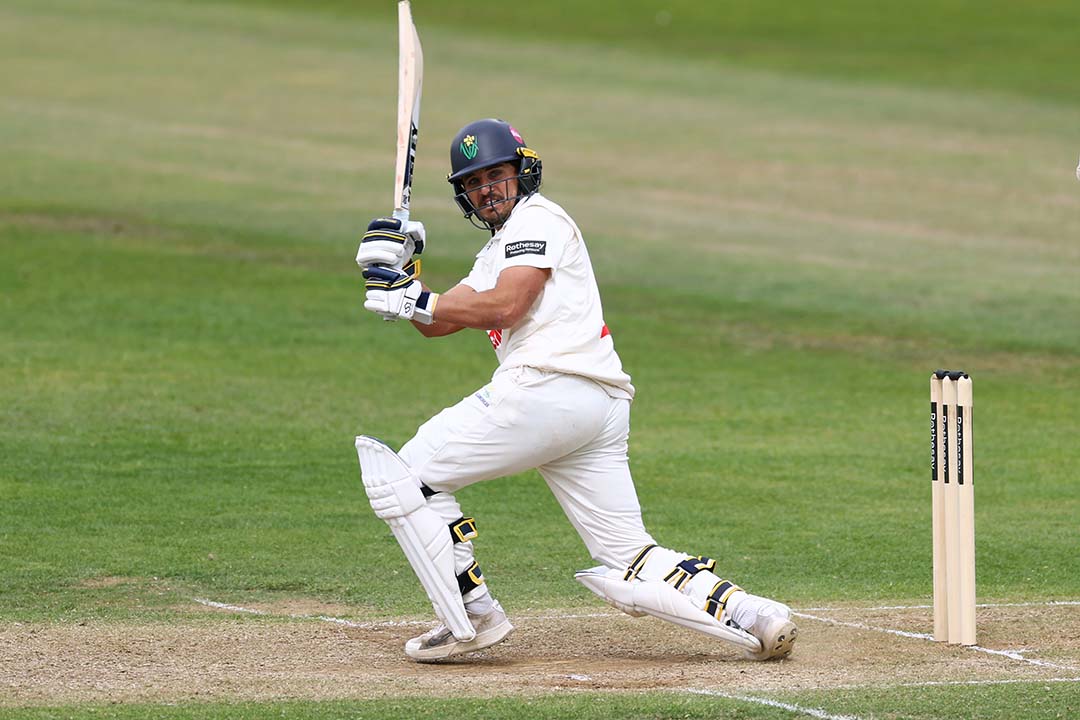
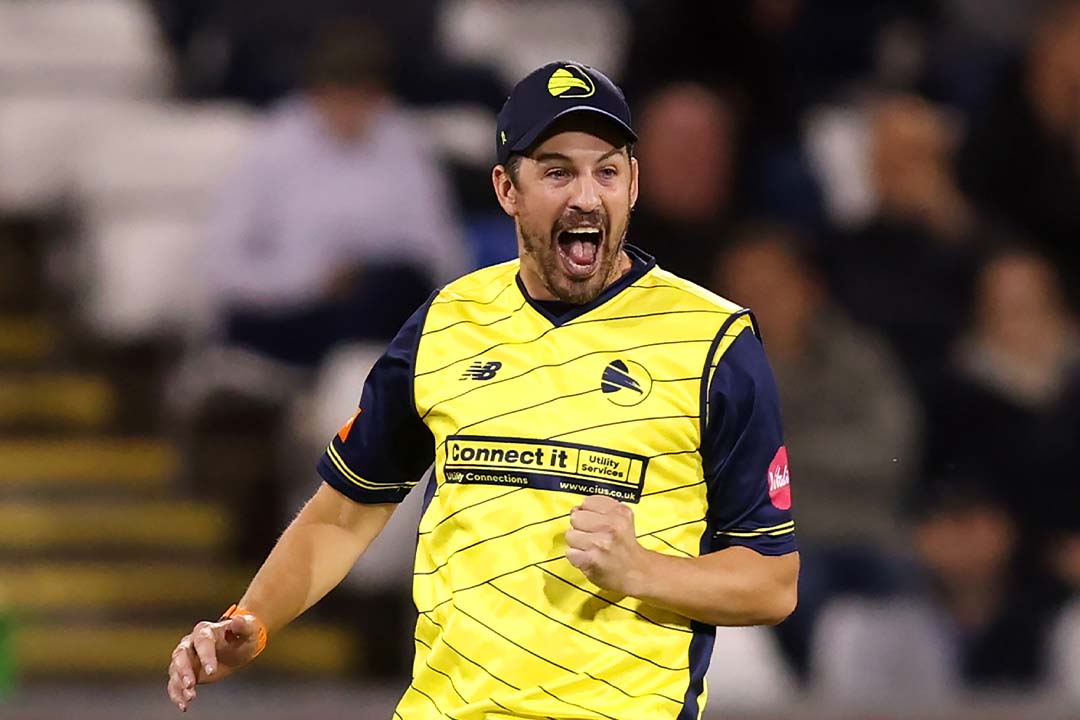
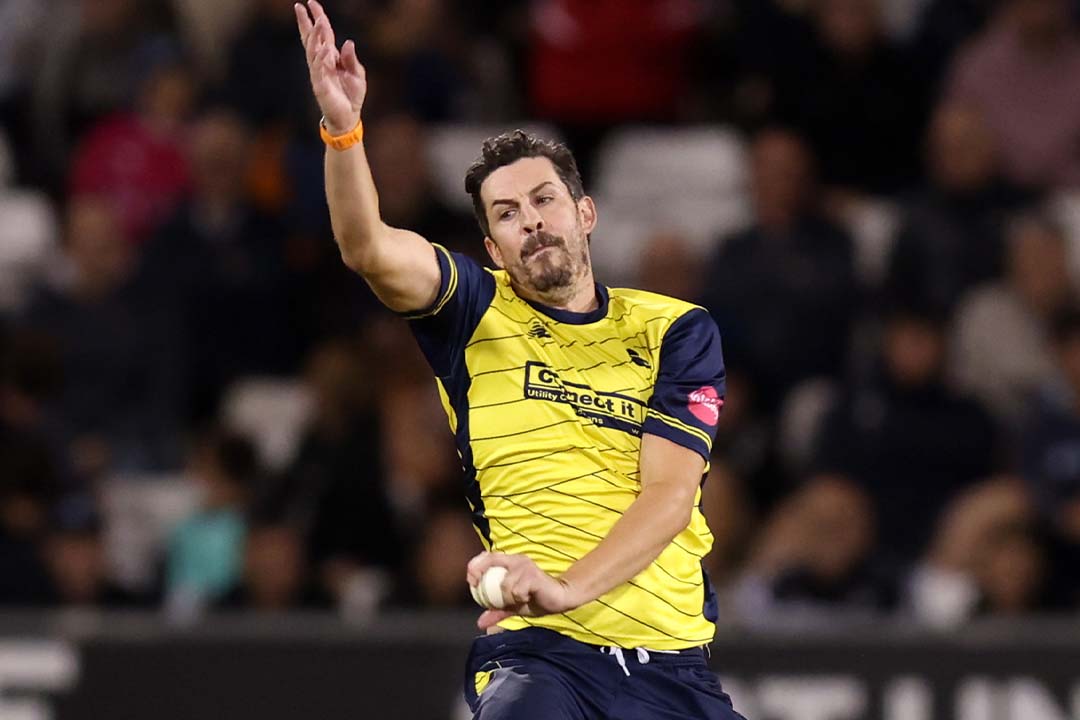

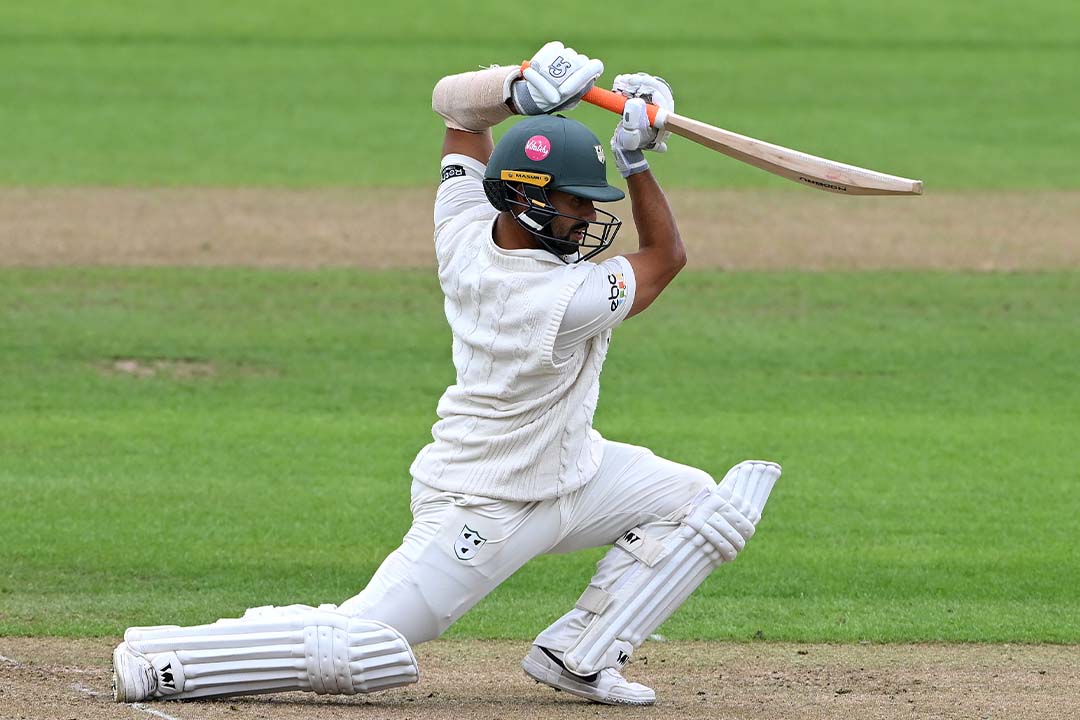
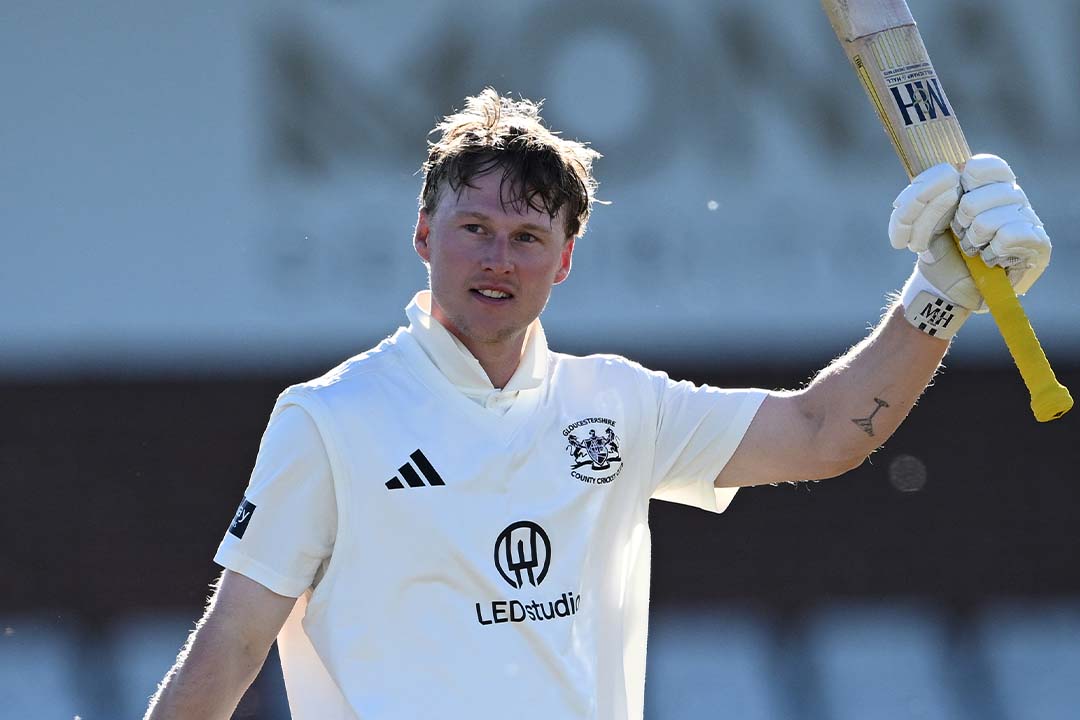

Wood and Carlson’s recoveries came from sharing their anxiety and trauma, rather than keeping it private. They believe taking action is inherently a shared process.
For Worcestershire captain D’Oliveira, taking action means fostering a positive team culture and ensuring all players feel comfortable enough to speak up and be themselves.
“The onus is on us now, as PCA Reps and captains, to allow those doors to be open, especially for those younger people coming through because we know how hard that cricket journey can be at times.
“Looking back to the start of my career, there was definitely a stigma around mental health, and you were considered weak if you admitted anything.
“That’s come such a long way – it’s actually a sign of strength now if you can speak up.”
Professional cricketers spend the majority of their lives surrounded by their teammates, often the people they are in direct competition with or captains and coaches with power over selection.
Looking back at the start of his career in 2016, Carlson believes it’s easy to confuse who you are as a person with who others want you to be on the field.
He said, “When I first started, cricketers definitely put on a bit of a face.
“There were senior players and you wanted to act in a certain way and be a certain type of character. Coaches would push you to be hard-nosed and tough.
“I think that’s slowly creeping out. I know being a bit older now, younger guys coming into the changing room, all I want is for them to be themselves and I think that will aid them in being able to say I’ve had a really bad day, I need to speak to someone.
“The good thing about the PCA and all the clubs now is that there are loads of staff in place.
“There are so many avenues now where, if you are able to be yourself and be comfortable, there’ll be someone in that dressing room who can help you find the support you might need.”
Whether creating an environment where others are able to share anxiety or opening up to someone yourself, taking action and breaking a negative cycle can have a hugely positive impact on mental health.
Wood said, “We’re always going to have good days, bad days and indifferent days. Those days used to eat me up all the time, but being in recovery and comfortable in my own skin, I walk onto a cricket field and just dare to play cricket.
“I try to be that free spirit and understand that cricket is an unbelievable game that’s there to be enjoyed.”
Watch the full video here.
The PCA and the Cricketers’ Trust are committed to supporting members in managing their health and welfare throughout their career and beyond.
Using the Confidential Helpline, PCA members can call 07780 008877 to speak to someone at the Sporting Chance Clinic 24 hours a day, 365 days a year.
Organisations like Mind, Heads Together and CALM also offer confidential emotional counselling to those who need it most.