


Royal Navy Reservist Harman shares her involvement with the day of remembrance.
To see more articles, click here
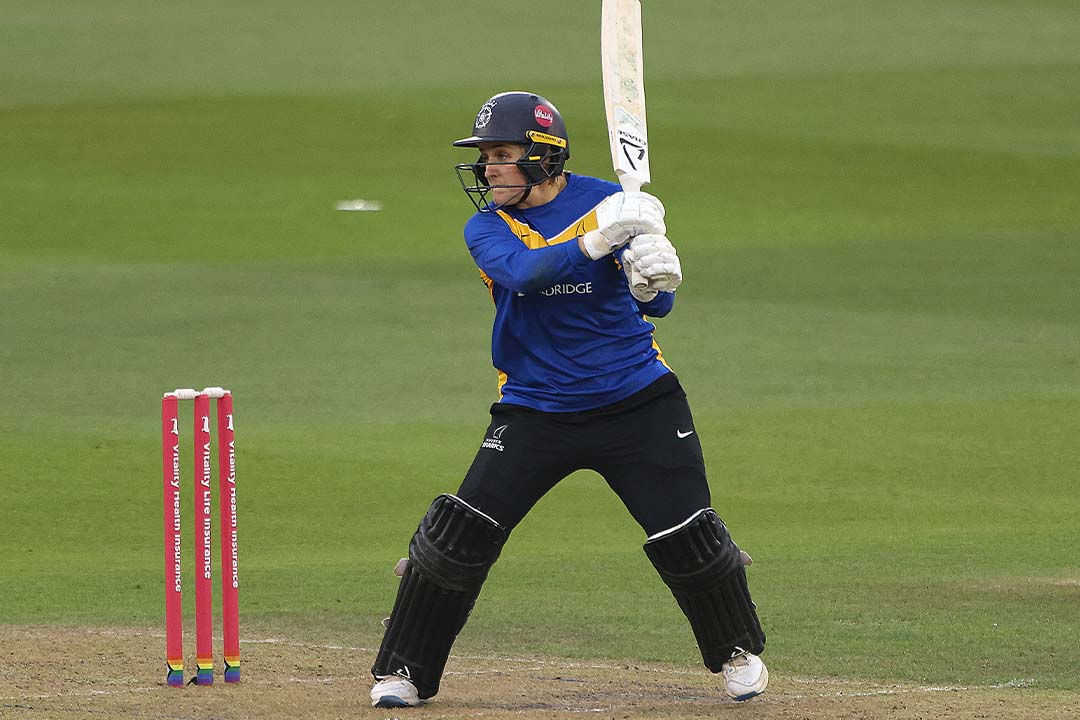
Hampshire all-rounder Nancy Harman has spoken to the PCA about her work for the Royal Navy Reserves on this Remembrance Sunday.
Taking place on the nearest Sunday to November 11 (Armistice Day) each year, the day allows people across the world to remember those that have given the ultimate sacrifice in conflict.
The national ceremony is held in London at the Cenotaph on Whitehall, starting with two minutes’ silence at 11am and the playing of ‘The Last Post’ and concluding with the end of The Nation’s Thank You procession.
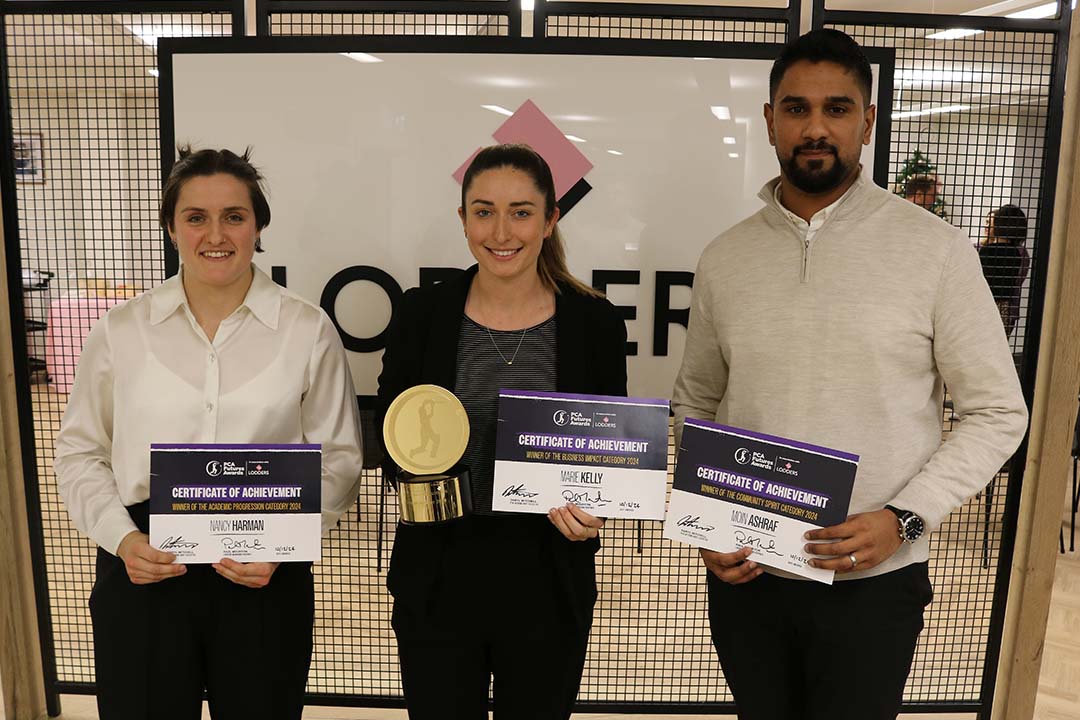
Harman was speaking during PCA Futures Month, having won the Academic Progression Award at last year’s PCA Futures Awards, impressing the judges with her work for the Royal Navy.
The PCA continues to mark occasions like the Remembrance Sunday as an opportunity to share stories of its members’ journeys in cricket and beyond. It allows other members to learn more about their peers and appreciate different cultural backgrounds in the game.
- How long have you been part of the Navy and what made you want to join?
- Harman: I joined the Navy Reserves down in Portsmouth about three years ago, joining the officer pipeline. It takes quite a while to get through the training, but fingers crossed, I’m nearing the end now. For me it was about finding something outside of cricket which I was also passionate about. It was a chance to meet new people, and I’ve made a lot of good friends through the Navy who are like-minded and are up for doing quite crazy things. The initial motivations were also it being a chance to develop relationship and public speaking skills and they are both ongoing motivations as well. They are two of the things that I still enjoy about it now.
- And what does the training involve?
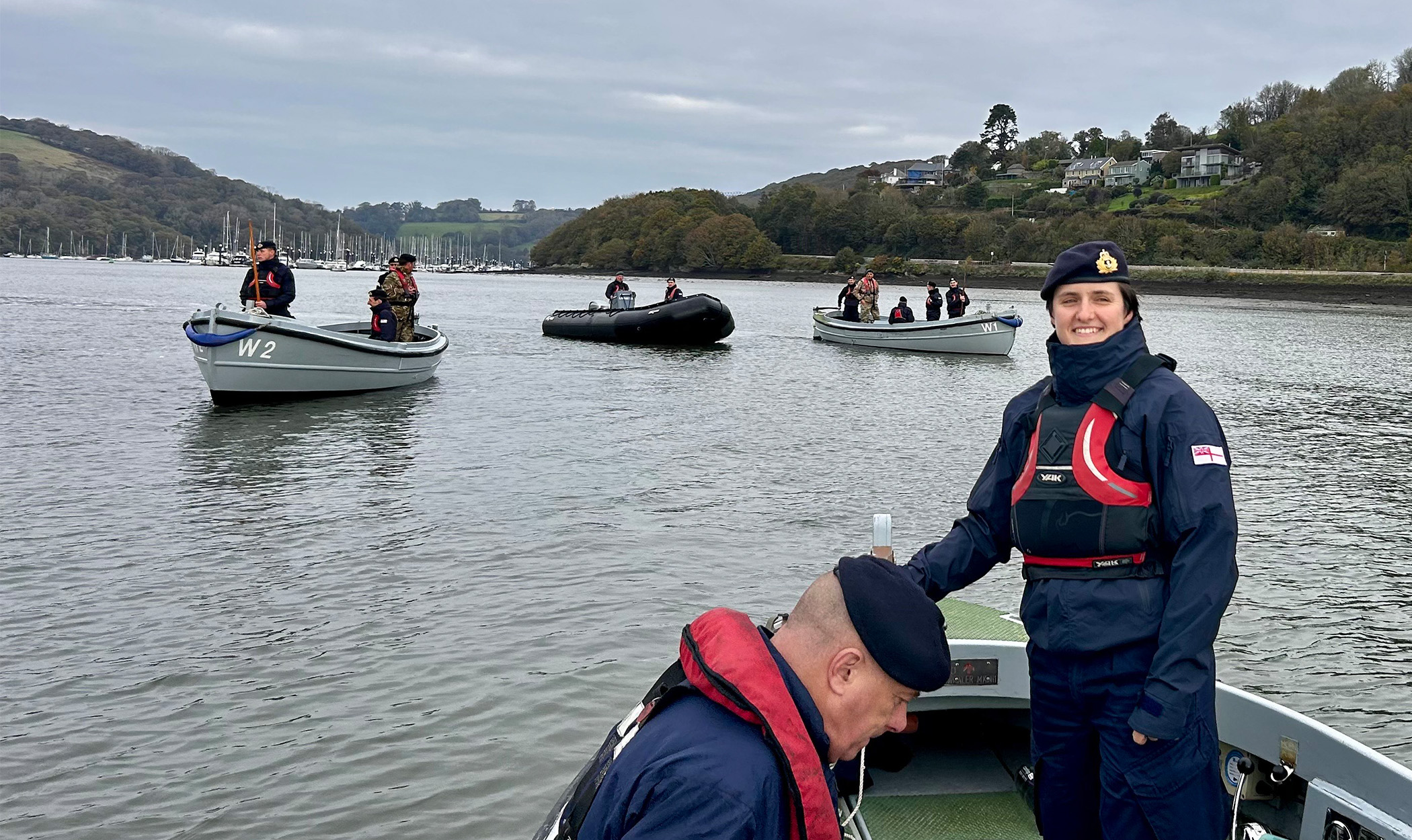
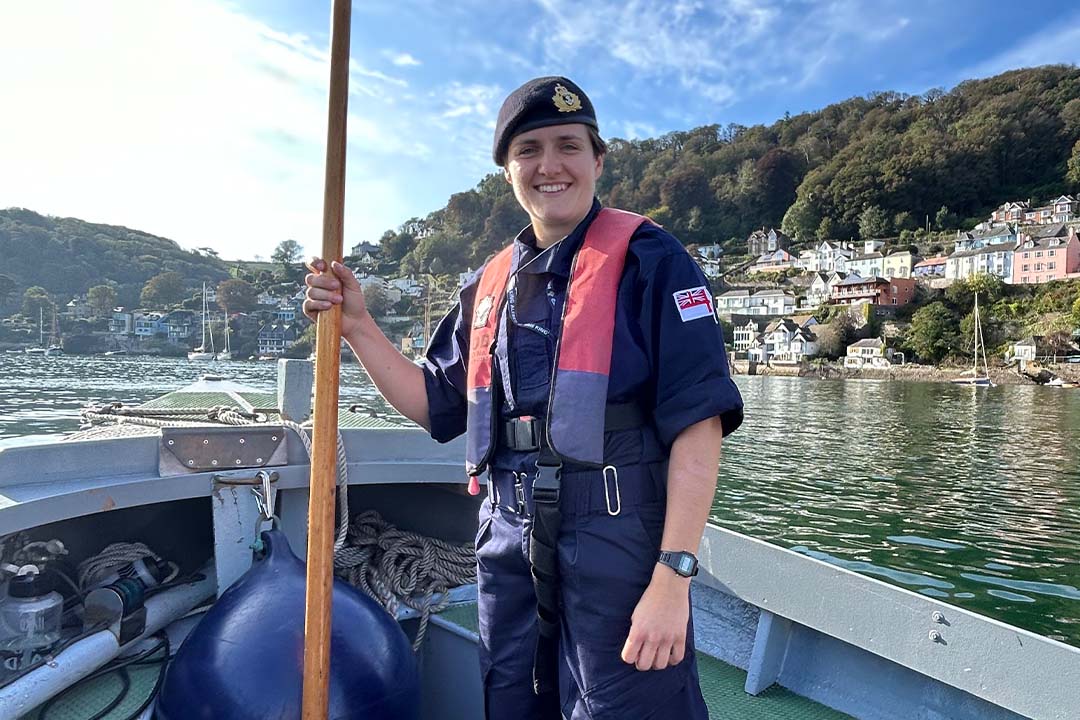
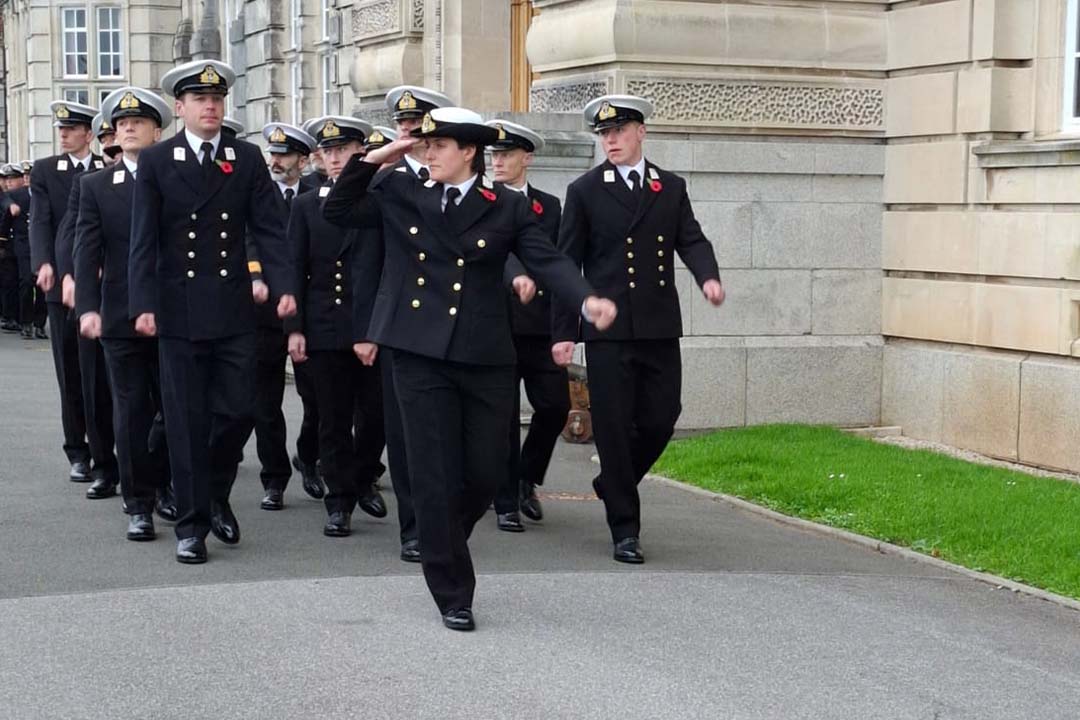
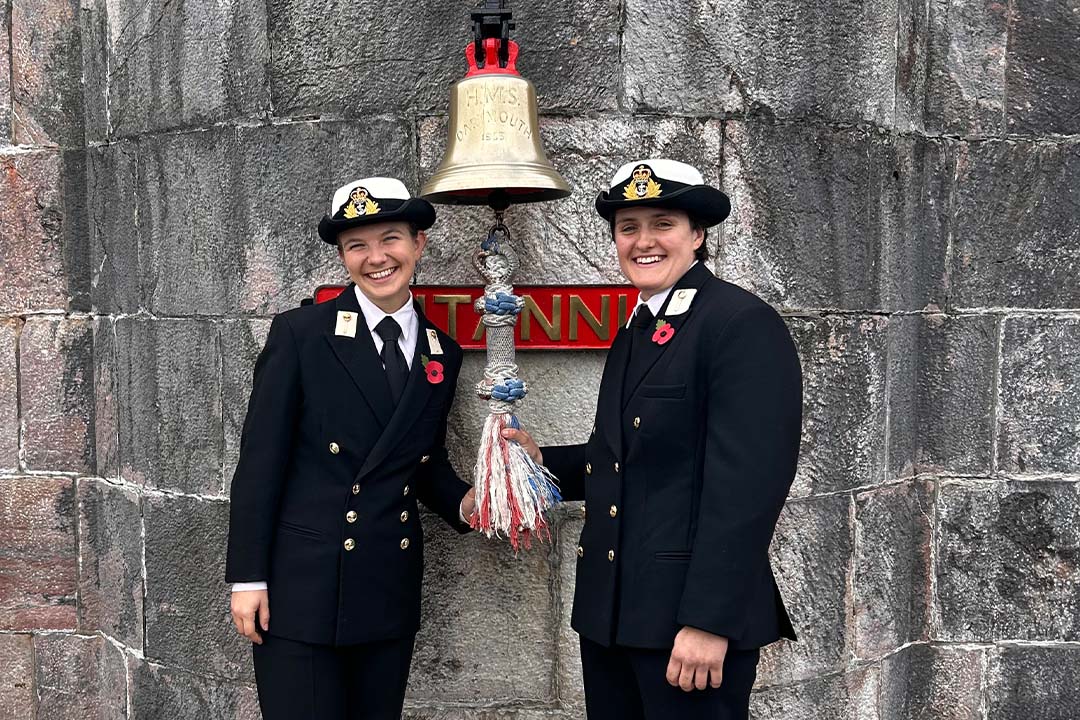
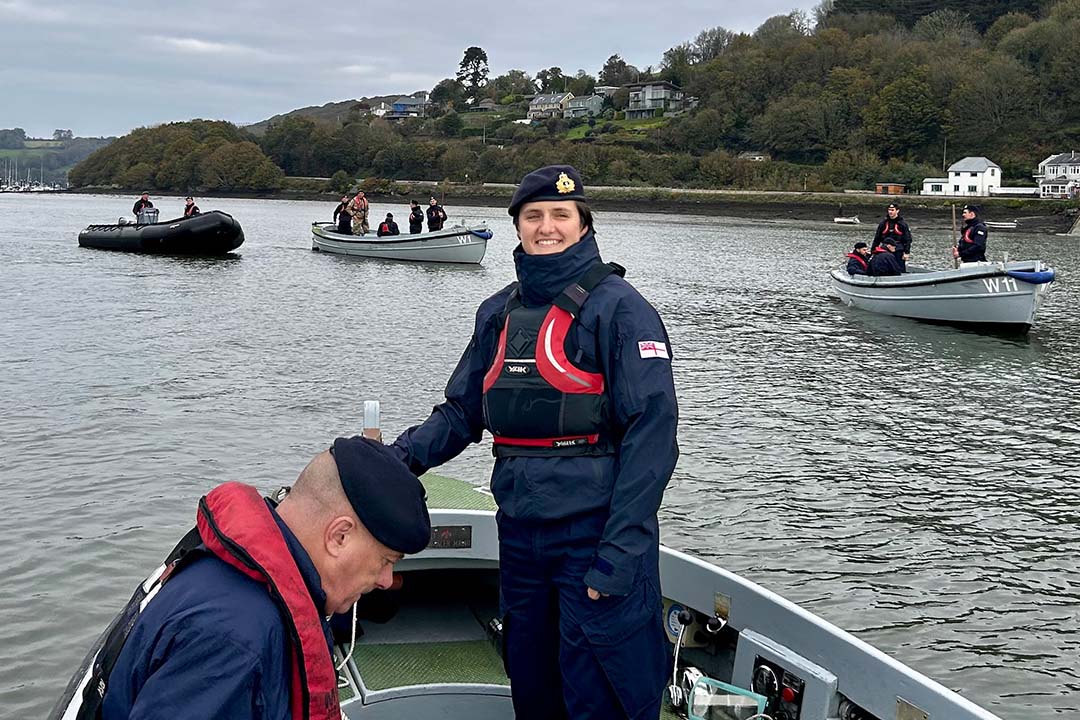
- Harman: Training tends to be on Tuesday evenings down in Portsmouth with my unit, HMS King Alfred. And on those evenings, we do a range of things to work towards getting to the end of the officer pipeline. Currently, that involves mostly academic learning about the Navy and safety procedures in preparation for an exam that I have coming up. But sometimes we have sports evenings, or we practice ceremonial stuff, like marching, or we have different speakers come in. And then alongside that, it’s a mixture of weekend and week or two week-long courses. I normally do three or four weekend courses in a year and then one two-week block. Last year the two week block I did was a confirmation course where you go down to the officer training centre in Devon and this November I will going on a ship for two weeks. The weekend training varies, but all builds towards that two week longer course, so for example I did a two-day course on sea survival earlier this month, which was fun.
- Are there any skills that you’ve learned in the Navy that you can apply to cricket or vice versa?
- Harman: For sure. The leadership skills and how to work as a team that you learn in the Navy are obviously super relevant to cricket. And I think part of that as well is learning how to mentor people. So as an officer, you eventually become a manager and you have, what’s called a division, where you look out for a group of people’s welfare and help them to make sure their careers are progressing. I’m not there yet but hopefully will be in the next six months and I think those skills and that kind of responsibility really helps in a cricketing environment, whether that’s giving advice to younger players or helping them navigate their careers and their lives as cricketers. Then on the flip side with cricket being so active, having long days on your feet in the field has helped with the physical side of being in the Navy and being in a close-knit team is very transferable. They are complimentary in a number of different ways.
- And in terms of Remembrance Sunday, specifically, have you taken part in any ceremonies or traditions in the past?
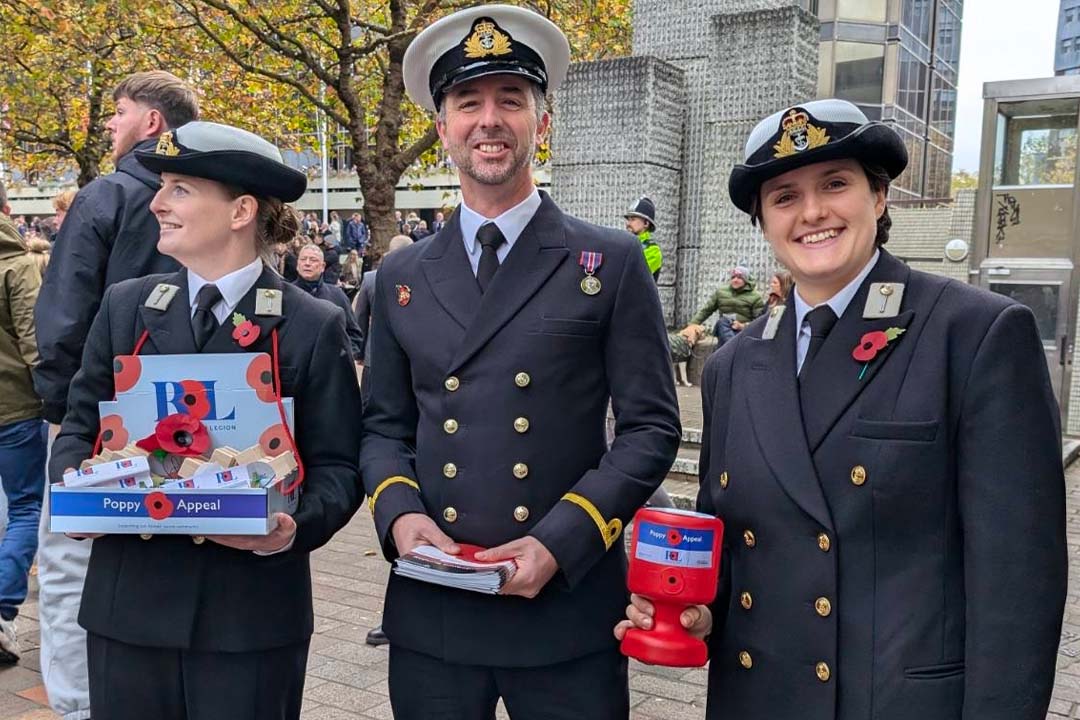
- Harman: My unit, HMS King Alfred, always has a marching platoon in the ceremony in Portsmouth. And with Portsmouth having a big naval history there’s lots of different groups that march from cadets right through to veteran’s associations all being part of the same parade. Although I wasn’t part of the march last year, I went down to support, and we also helped the Royal British Legion sell poppies in our uniform on the day and in the lead up to the November 11.
- What are your plans this year?
- Harman: In the unit we have been assisting in the training of the marching platoon, doing some ceremonial practice to make sure they are ready. And then on the evening of the 11th we have a session that will focus on naval history. HMS King Alfred is named after one of the convoy ships of World War II and it will be a good opportunity to reflect on that history and those traditions, whilst remembering those who have served across the armed forces.
- How important do you think it is that we continue to mark these occasions?
- Harman: Incredibly important. Not just remembering the soldiers in World War I and World War II, but those who have served in conflict since then too. I haven’t personally lost anyone in conflict, but there’s people in my unit who have, and I think for them, it’s especially important to have the time to mark that and just to remember the service of those people.
- How do you think people can best show their support or appreciation for those who serve or who have served?
- Harman: It can be perceived as tokenistic, but I do think buying a poppy, wearing a poppy, and observing the silences are still powerful. Despite the World Wars appearing a long time ago now, there were a lot of people that made the ultimate sacrifice for this country and being a part of the armed forces, you’re a bit closer to that. So, I think for everybody it’s about remembering what those people did and even just wearing a poppy or donating is a sign of that. There are loads of events all over the country that you can be part of to celebrate and reflect.