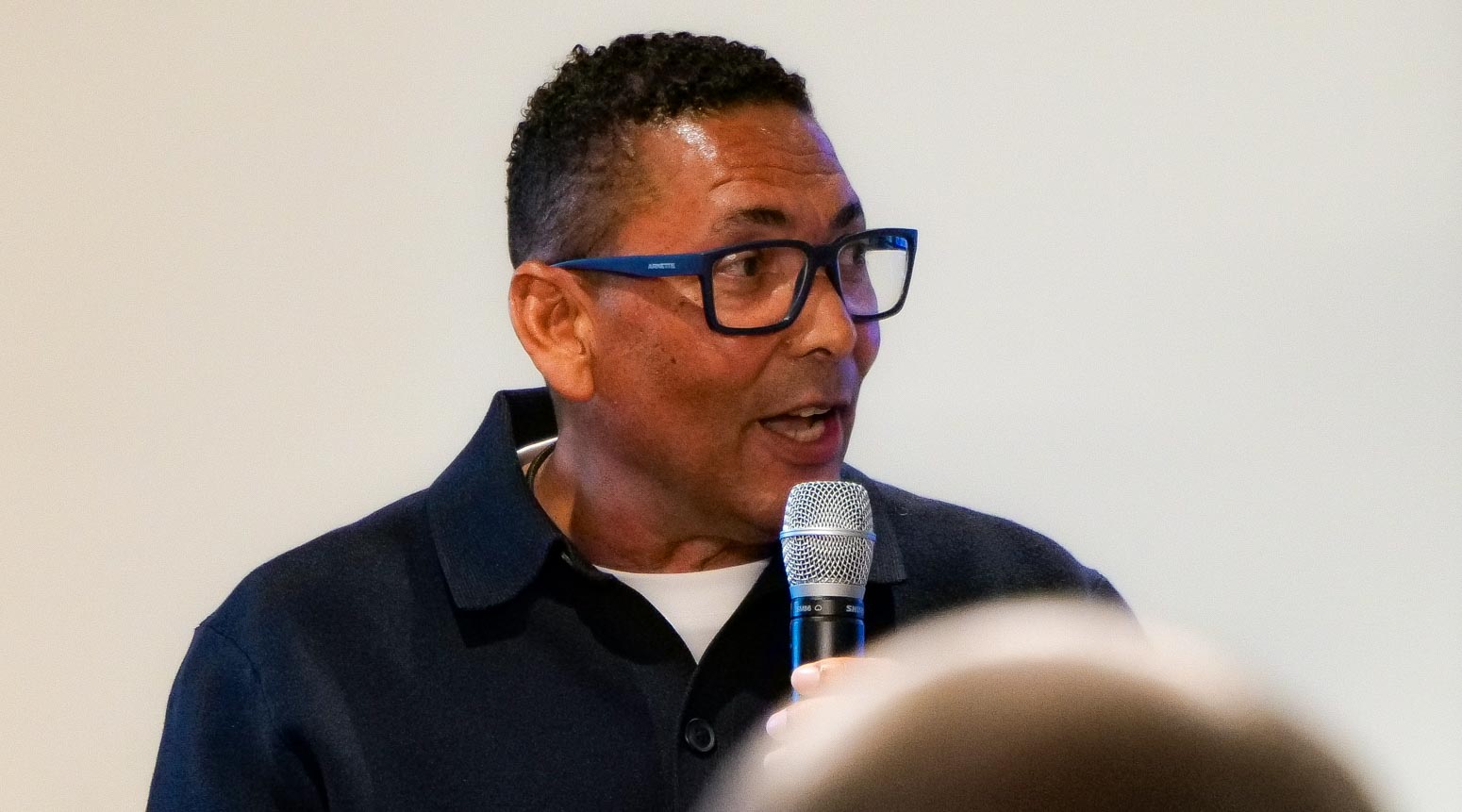

When people ask me what Black History Month means to me, my answer is simple: Black History Month is history.
It is not just a subject to be boxed into a single month on the calendar, but a continuous celebration of everything the Black community has contributed across sports, education, culture, and society throughout history. It is something that deserves to be recognised and celebrated all the time.
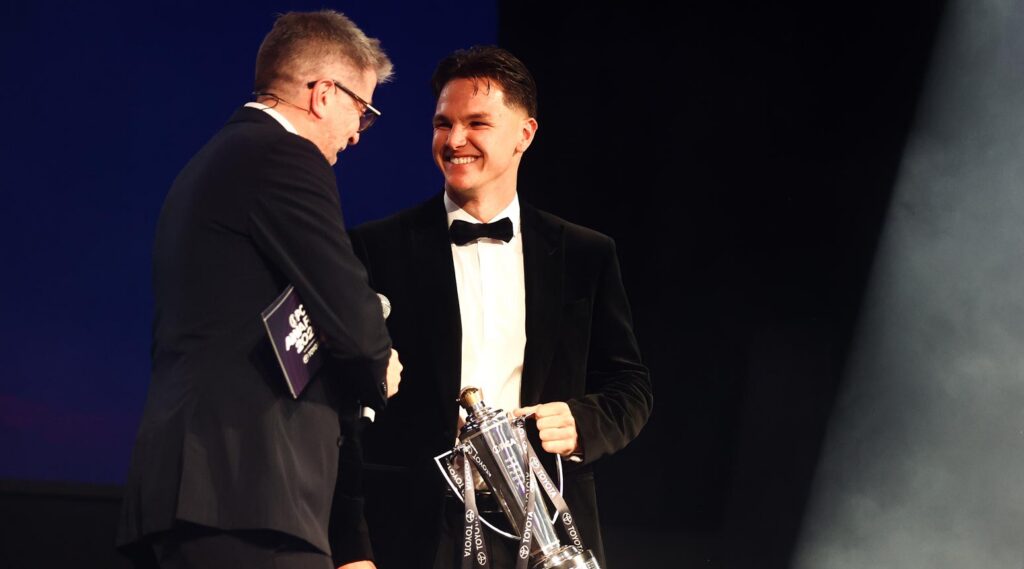
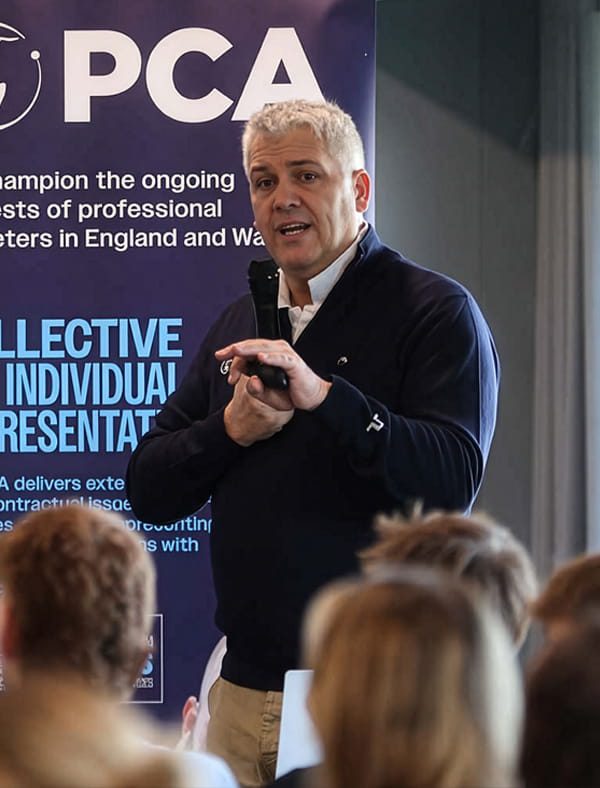
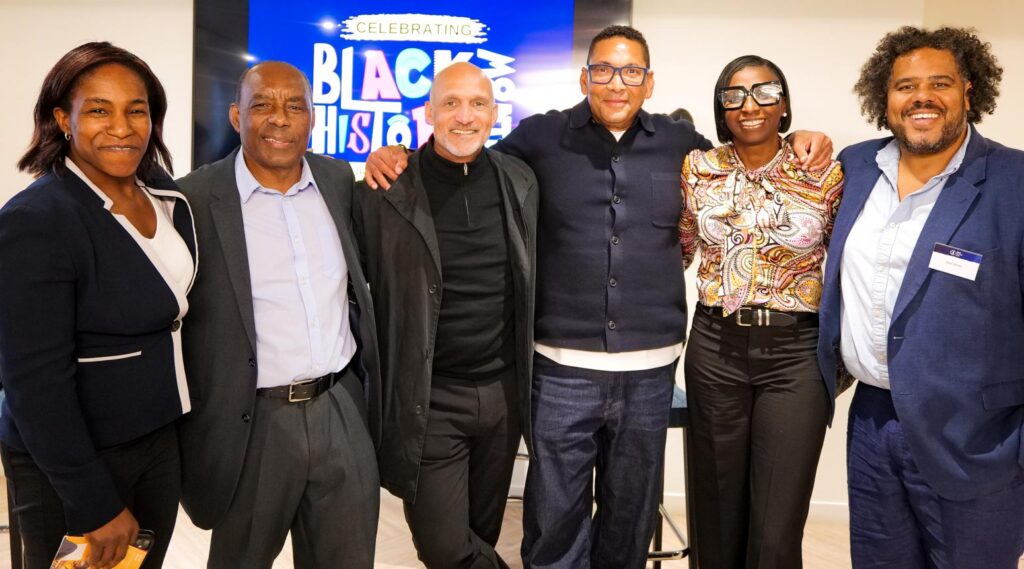
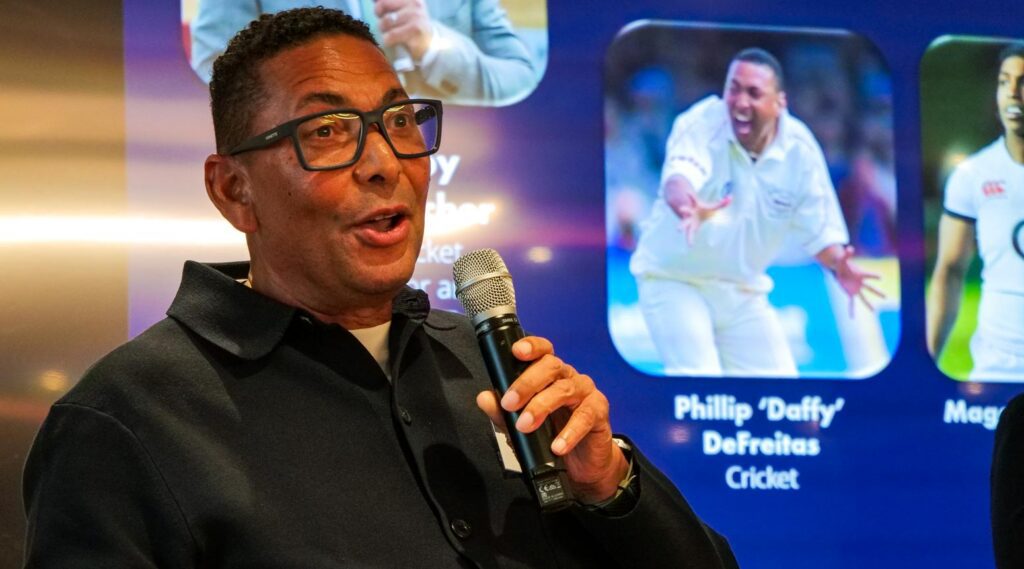
Recently, I had the privilege of joining the PCA for their ‘Cricket Meets Rugby’ event marking Black History Month. The theme this year was Honouring Our Communities, and sharing the stage with rugby legend Maggie Alphonsi MBE, cricket pioneer Roland Butcher and host Mark Butcher, was a powerful experience. Listening to Maggie had me laughing, but underneath her humour was an unmistakable drive and determination. Sitting alongside athletes who have broken barriers reminded me of the resilience at the heart of our sporting community. The message we shared was clear: focus on being the best human being you can be, look beyond the noise or criticism, and push past any boundaries in front of you.
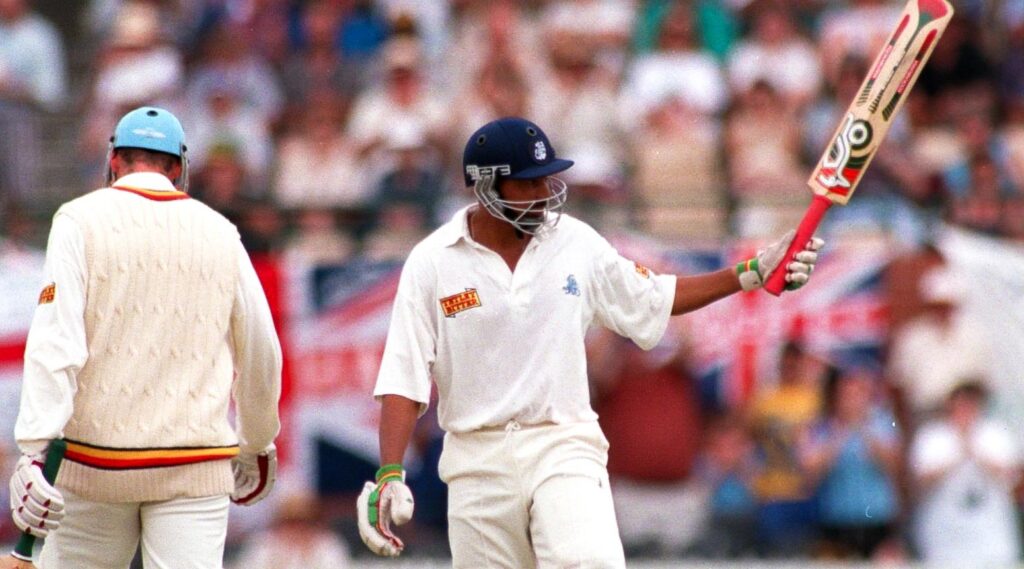
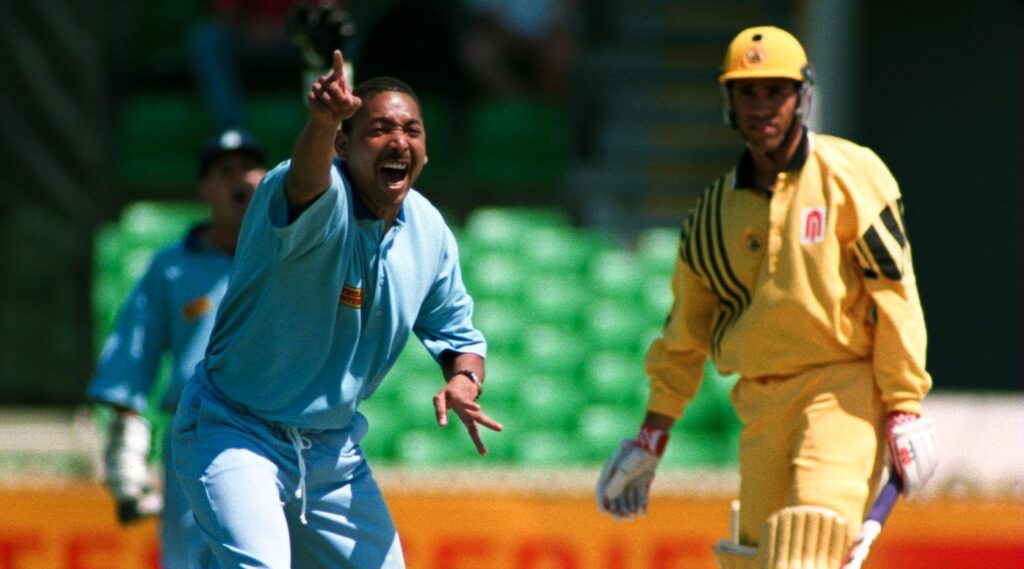
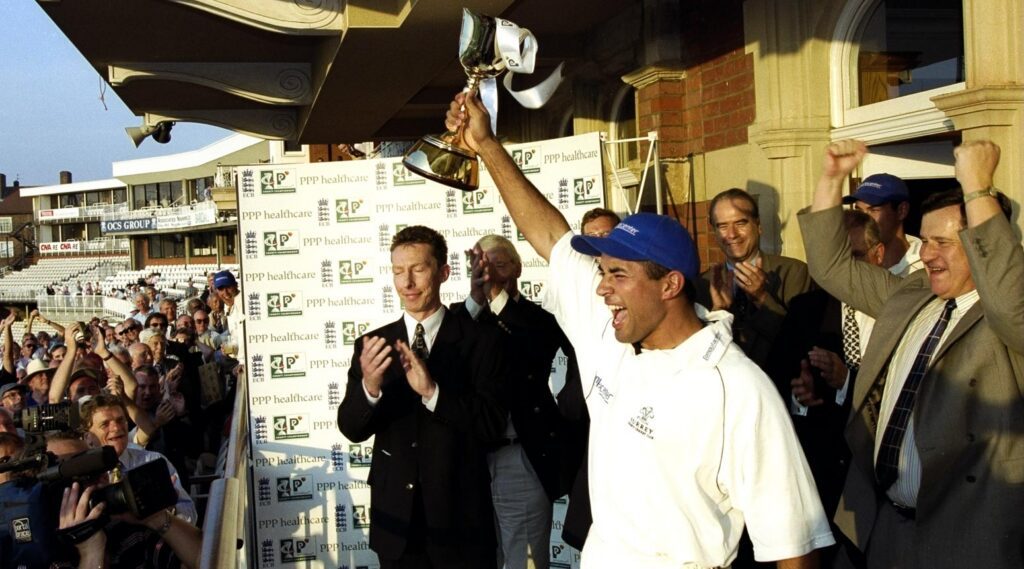
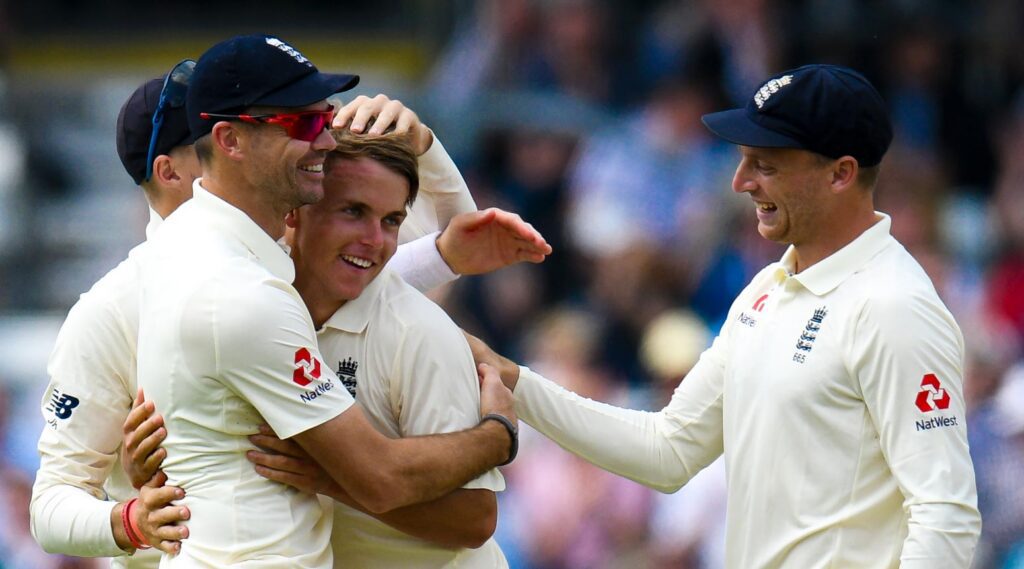
When people look at me, they see a former England all-rounder who played international and county cricket for years.
But very few people know the real story behind that journey. I was born in Dominica, and when I was five years old, my parents moved to the UK to build a life, leaving me and my younger brother Reuben in the care of our grandmother. At seven years old, Reuben and I were put on a massive airplane to join our family in England. We had never seen a plane that size before. I remember us clutching and cuddling each other tightly during the flight, two terrified little boys traveling across the world to a new home. I arrived in the UK to join a bustling household as one of seven boys.
Growing up in our home, West Indies cricket was everything. My parents were immense supporters of the West Indies side because that team put the Caribbean on the global map and gave our community immense pride. Watching those legendary players with my parents filled me with admiration and inspired me to chase a cricket career of my own.
”I wanted to be living proof that background or skin colour should never define your limits.
Phil DeFreitasEx-England Cricketer
When I made it into county cricket and eventually represented England, I always kept my roots close to my heart.
Being born in Dominica and coming through the English system made me deeply proud of my West Indian heritage. But whenever I stepped onto the pitch, I never viewed myself as just a Black cricketer playing for England, I viewed myself as a human being playing the game I loved. At the same time, I carried a quiet responsibility for state school kids and underprivileged youth who felt the odds were stacked against them. I wanted to be living proof that background or skin colour should never define your limits. My message to young people has always been to look past excuses or prejudice, believe in yourself, work hard, and stay honest with who you are.
Today, as a coach, my focus is entirely on passing that belief on to the next generation. Working with state school kids and those who are underprivileged in the cricket community is where my heart lies. I don’t dwell on past struggles or tell kids how hard things were for me. Instead, I use my journey to show them what is possible when you harness the support around you, such as the PCA, and give everything to your craft.
We are currently facing a real challenge with declining numbers of Black Caribbean players in county cricket compared to when Roland, Mark, and I were playing.

While grassroots programs like ACE and SACA are doing valuable work, we need to address the root causes by listening to those who lived through the county circuit in the 1980s and 1990s.
Understanding what we experienced, what we couldn’t say then, and how we navigated those challenges is essential if we want to create clear pathways for young Black talent today.
Recently one of the highlights of seeing an inclusive programme is the SACS programme run by Surrey and Kent. This programme delivers the true meaning of inclusivity across both race and ability allowing everyone to play, improve and keep playing. One of the female students of West Indian heritage who had never played cricket before is now playing and coaching the sport she learnt about through her grandparents that she had no previous access too.
Black History Month is a celebration of community, heritage, and progress. My journey from Dominica to representing England wasn’t always smooth, but every hurdle shaped who I am. To every young person striving to make their mark: embrace your heritage, lean on your community, ignore the doubters, and strive every single day to be the absolute best human being you can be.