
If you had told me back when I was playing that I would end up running an academy and coaching kids, I’d have laughed.
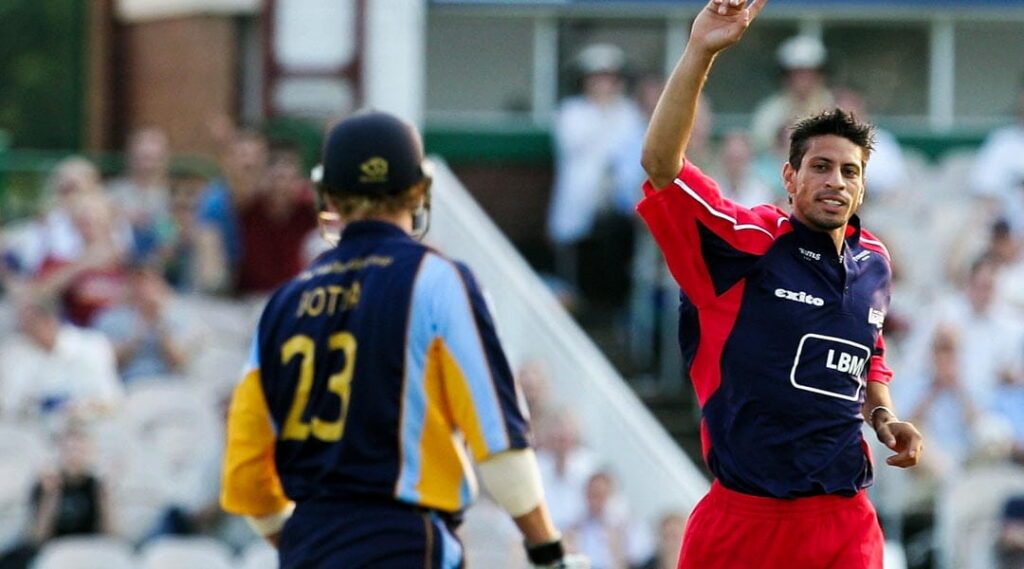
When you’re playing, you see the game through a very narrow lens – I just wanted to bowl fast, compete and get on with my own job. I never really appreciated the work that goes into coaching behind the scenes or the quiet, positive impact a good coach can have on a player. Back then, I just thought: “that’s not really for me”.
When I stopped playing, I took two years completely off to spend time with my family because when you’re playing international cricket or on tour with England, you are away from home all year round. But after a couple of years of doing nothing, I needed a schedule again. The only thing I really knew was cricket, so I started playing a bit of club cricket, and part of the package was doing some coaching. That was the real turning point; seeing players develop gave me a kind of satisfaction I never expected, and my love for coaching just grew from there.

”When I played for England, everything happened fast. I bowled quick, I thought the game was pretty straightforward and I assumed I didn’t need to work on much.”
Saj MahmoodLancashire & Essex
What I quickly realised, though, is that coaching is about so much more than just tweaking someone’s bowling action or batting grip.
When I played for England, everything happened fast. I bowled quick, I thought the game was pretty straightforward and I assumed I didn’t need to work on much. There was a team psychologist on hand but I never used one. It was only after I stepped away that I realised how much my mindset could have been better in pressurised situations, where I’d sometimes focus on external pressures instead of executing my skills. That experience completely shaped how I look at the game today. If you don’t nurture the individual and their mindset, technique will only take a player so far.
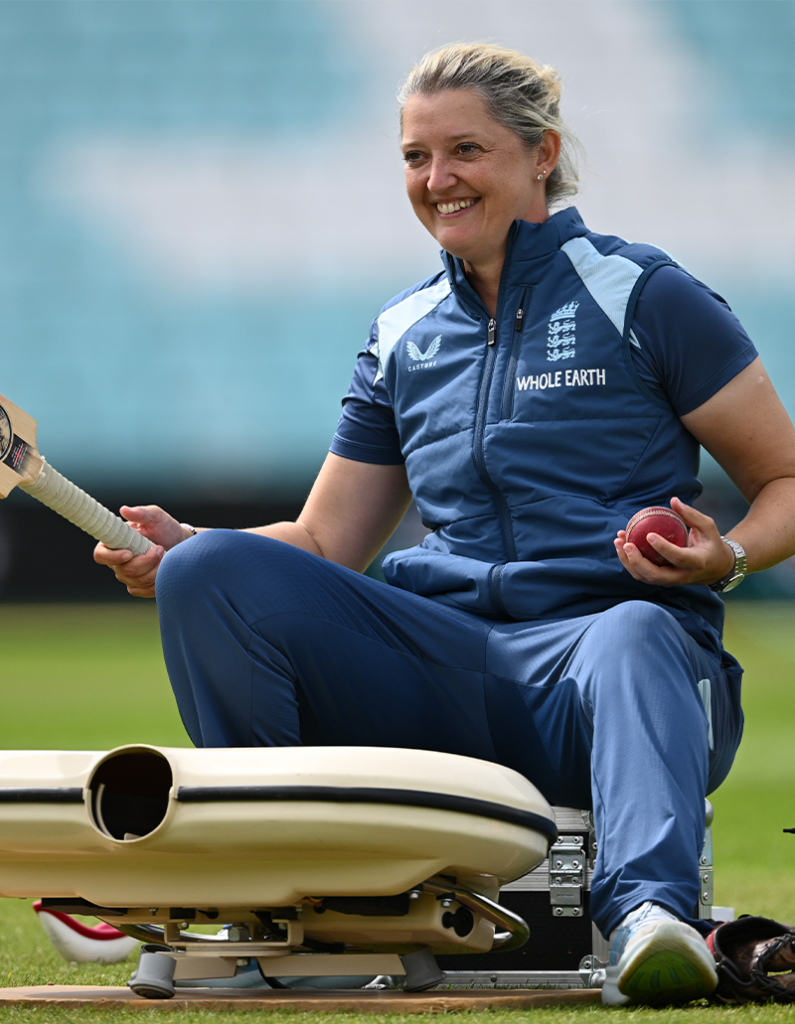
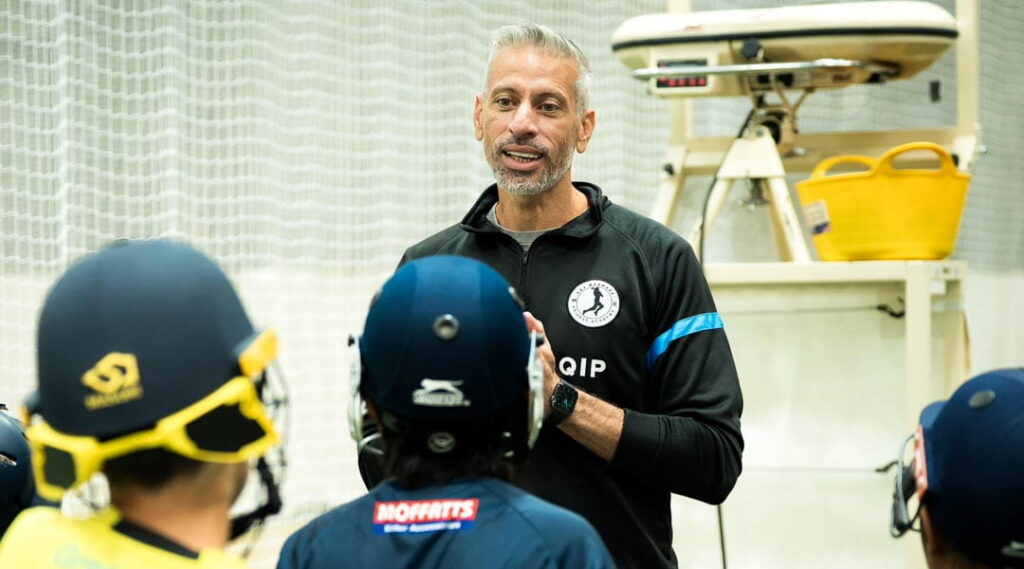
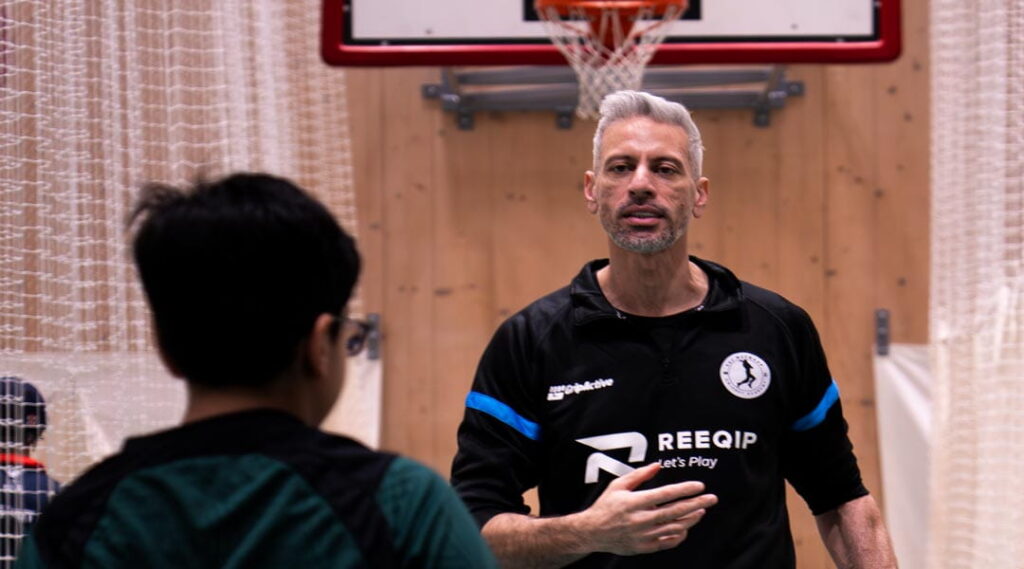
In our academy, we work with youngsters from eight up to 16 years old and every single one is built differently. For the younger ones, it’s all about fun, letting them hit and bowl and gamifying sessions so they stay engaged while learning. But as they get older and push towards county pathways, understanding what makes each individual tick becomes everything. I am hands on at every session I can be with the academy, to maximise the time I can spend with them technically, but also just so I can get to know them better. You have players who need an arm around the shoulder to build their confidence and get into the right frame of mind. Then you have others who actually want to be told straight: “look, we spoke about this before, you’ve made the mistake again and you need to keep an eye on it”. As a coach, you’ve got to be clued up enough to read that, adapt your approach and build genuine rapport and trust. If a player doesn’t trust you, you simply won’t have a positive impact on them. And you have to leave your ego at the door – I’ve had my playing career, so now it’s purely about them and their game.
A massive part of nurturing the person is teaching them how to deal with pressure and quieten the noise in their head.
I talk to our older players about establishing routines, much like Steve Smith or Cristiano Ronaldo do before they perform. When you’re out in the middle at 20 for 6 and the ball is swinging, external distractions can easily overwhelm you. But if you have a routine that boils your thoughts down to two or three simple trigger words, like focusing on balance, shoulder position, and watching the ball, you think about what you want to happen rather than what you’re worried might happen. That mental discipline builds resilience that helps them in all walks of life.
”We’ve had young players show up for trials who had never played for a club before, drawn in simply because they loved watching the IPL on television.”
Saj MahmoodLancashire & Essex
Personal development was also the driving force behind our partnership with the Delhi Capitals IPL franchise.
When Delhi approached us to partner with our academy in London, it was much more about growing the game and giving kids life-changing experiences rather than building a future franchise player. We’ve had young players show up for trials who had never played for a club before, drawn in simply because they loved watching the IPL on television. Seeing them pick up a bat, join the academy and fall in love with playing has been an absolute win.
At the same time, we’ve created extraordinary opportunities for them to grow as individuals. We had one of our girls travel out to India to train and bowl as a net bowler with the Delhi Capitals women’s team. Last April, I took a touring squad out to Delhi during the IPL to compete in the Delhi Capitals Junior Cup and meet the senior players. Playing in foreign conditions tested their skills but spending that time away from home in a completely new environment forced them to mature, understand themselves as individuals, and grow up.
Ultimately, technical drills are only half the battle. If you genuinely take the time to nurture the person, build their confidence, support their mindset and teach them to handle life’s pressures, then the cricket takes care of itself.