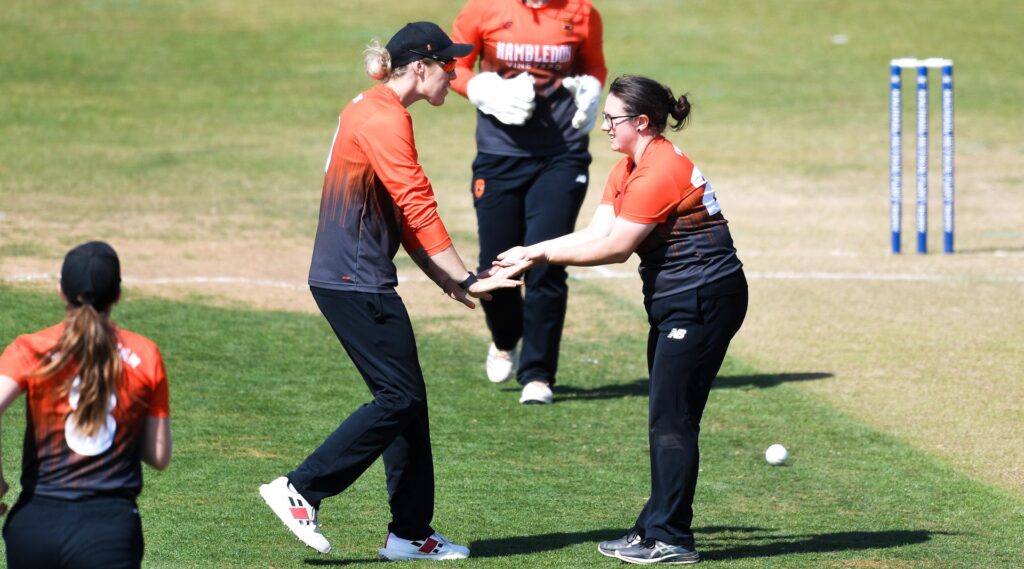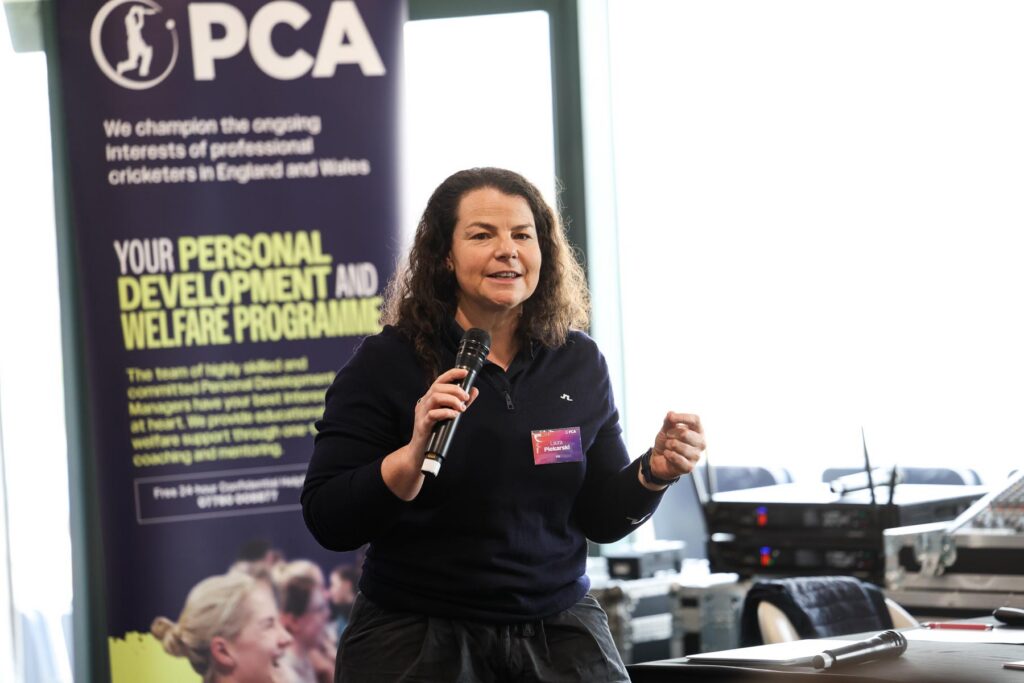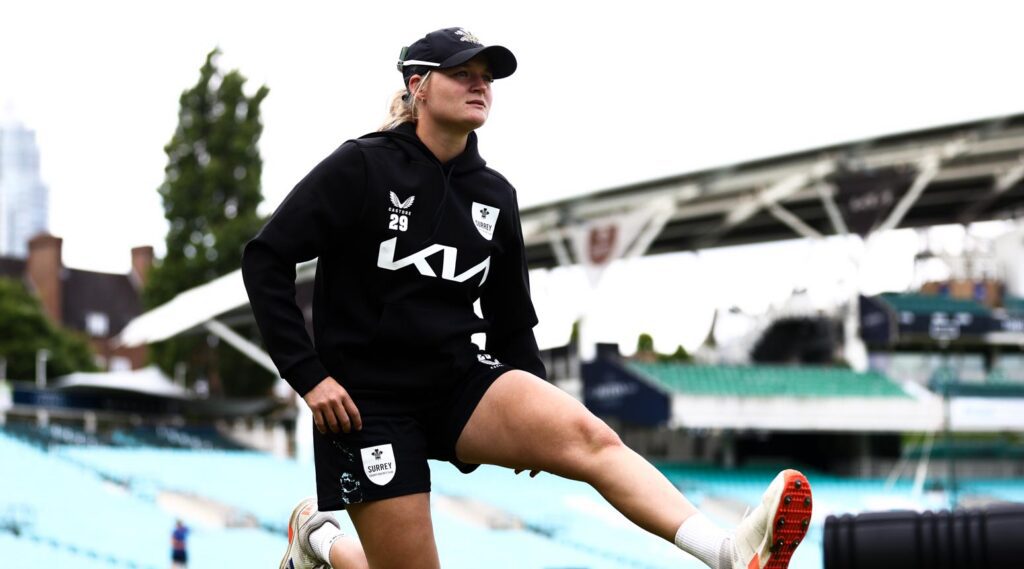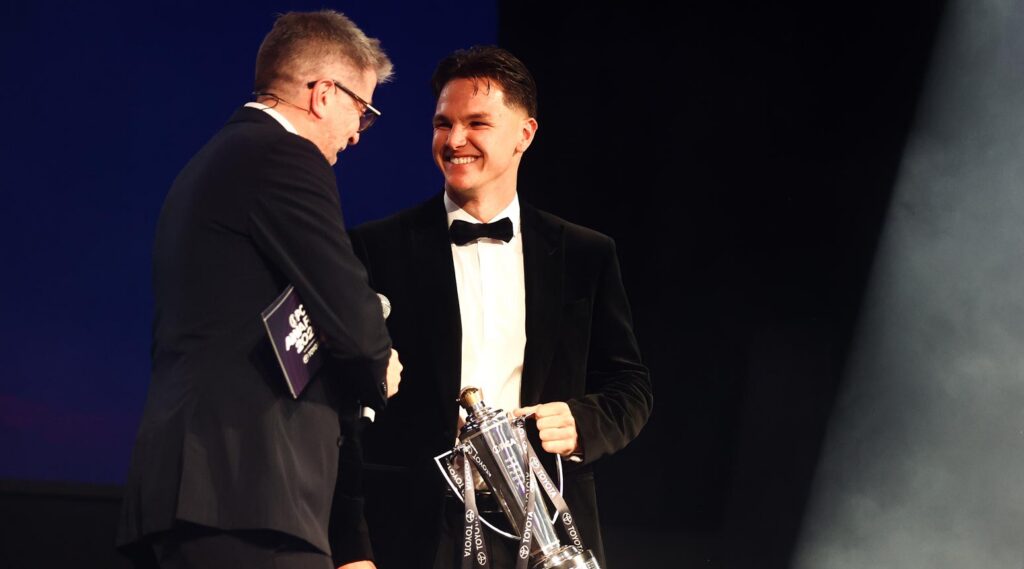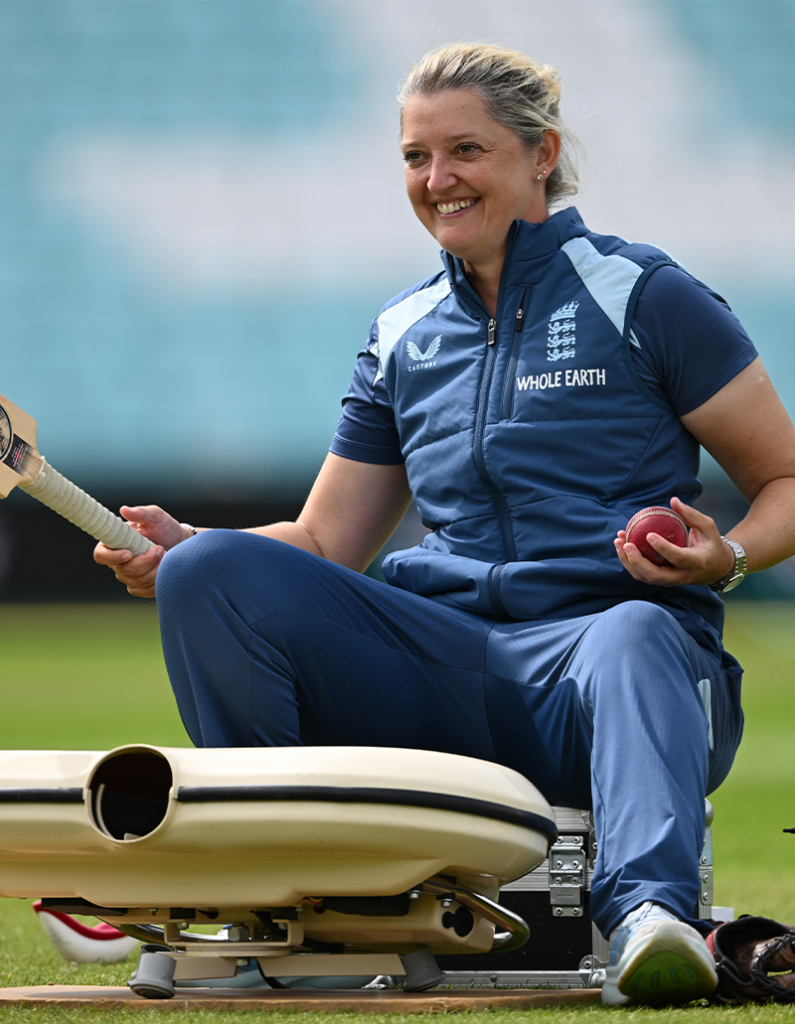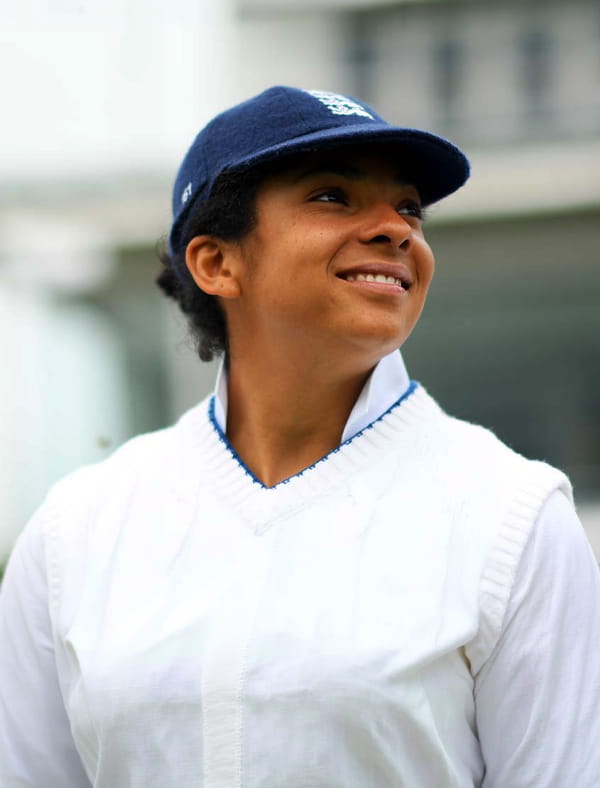

Speaking to Beyond the Boundaries for issue 41 – a PCA’s Futures Month special edition – iconic England batter Heather Knight emphasises the value of planning ahead.
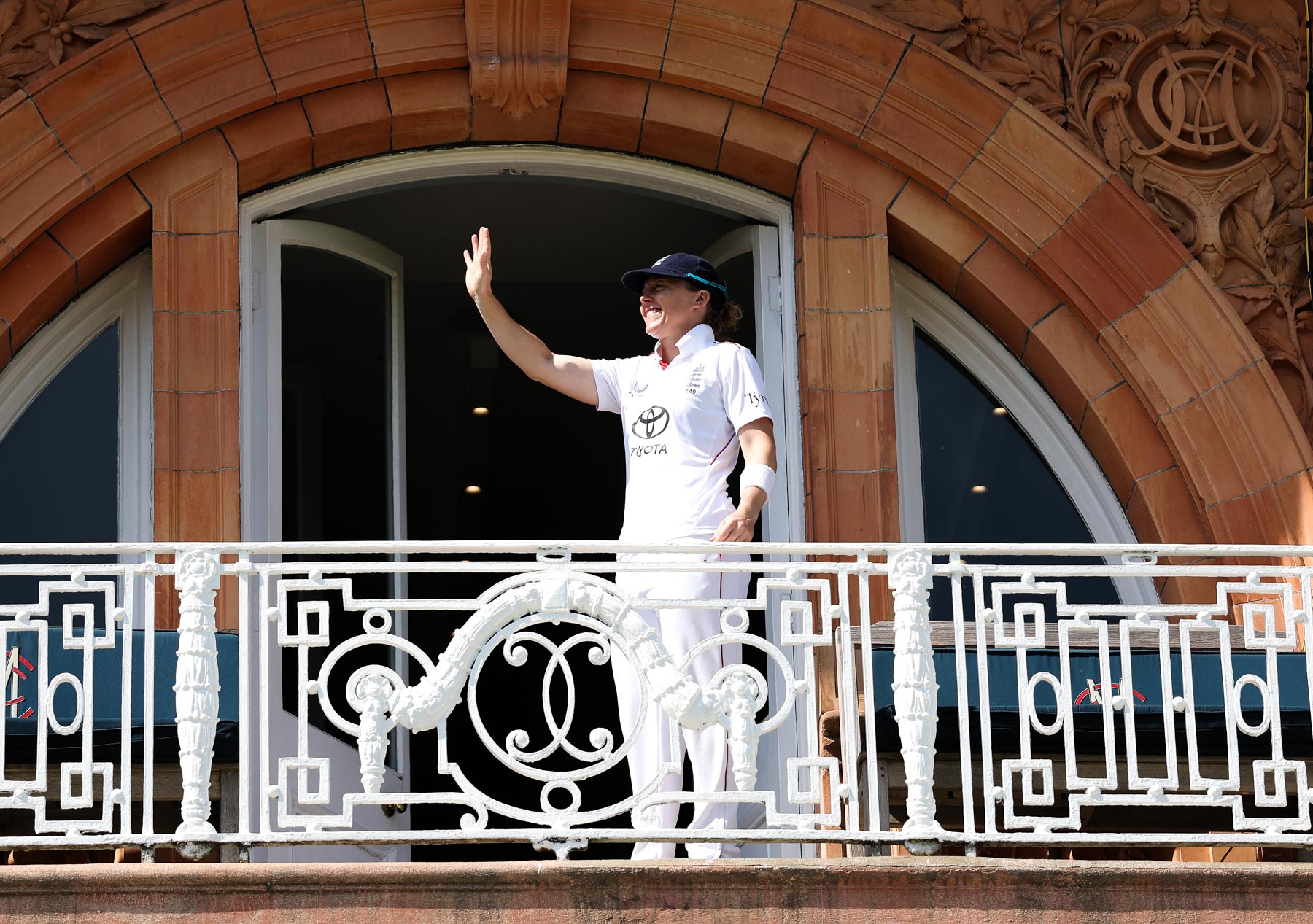
When the former England captain announced her retirement from international cricket in July 2026 during the historic Lord’s Test match against India, it marked the conclusion of one of the most impressive careers in modern sport. At 35, Knight stepped away holding the record for the most international appearances in England Women’s history with 320 caps, comprising 15 Tests, 160 ODIs, and 145 IT20s since she debuted in 2010.

Knight’s legacy is defined as much by her off the field accomplishments as by her extraordinary achievements as a batter and leader.
Taking over the captaincy in 2016, she led England in 199 matches across nine years, famously captaining her country to their 2017 World Cup victory at Lord’s. She guided England to two further global finals in 2018 and 2022, and in 2020 became the first England cricketer, male or female, to score an international century across all three formats.
Knight served as PCA Vice Chair during a period of rapid professionalisation. Balancing elite competition with executive learning, she exemplifies the message behind this year’s PCA Futures Month, which runs throughout November.
”“Writing a dissertation on franchise cricket and how it's going to impact women's international cricket was such a good exercise.”
Heather KnightFormer England captain
Knight leaves the women’s game in a world of six-figure Hundred contracts and minimum wages for professional players. When she made her England debut, however, it took four years for the first professional contracts to be introduced for England women’s cricketers in 2014.
With cricket not a viable career in her formative years, the Devon-born batter was forced to prioritise her development outside of cricket, laying the groundwork for her future.
“When I started playing for England, it wasn’t professional, so I went to university. I was doing various things including coaching with Chance to Shine and I was working for the Youth Sport Trust as an athlete mentor,” Knight notes. “Looking back now, that was really valuable.”
Continuous learning has been a theme for Knight as she made her way through the ranks as Charlotte Edwards’ vice-captain before taking over as captain. Actively pursuing higher education, she completed a Master’s in Leadership in Sport through a course run by Ed Smith, former England Men’s National Selector and co-founder of the Institute of Sports Humanities.
“Writing a dissertation on franchise cricket and how it’s going to impact women’s international cricket was such a good exercise,” she explains. “I actually haven’t done any coaching courses because I just haven’t had time if I’m honest. But when I’ve been injured, I’ve been able to do a bit of mentoring in the teams that I’ve played in, which has been good fun.”

Knight also completed a strategic leadership course with football’s League Managers Association (LMA), gaining executive skills that extended beyond traditional cricket administration.
Leading England was never going to be solely an on-field job for someone as ambitious as Knight, who has always been intrigued with the inner-workings of the game. At the time, however, she didn’t necessarily understand the transferable skills she would pick up along the way.
”“You do gain those skills for sure, but I probably didn't realise at the time if I'm honest.”
Heather KnightFormer England captain
“In terms of being England captain, I probably didn’t realise the positives it would have for my future career as I was probably too busy to look at what it meant for the future,” she admits.
“Obviously that role tests a lot of your skills, and you learn about yourself and how to manage certain situations, how to deal with different people and how to manage up.
“The role of England captain contains a lot of work off the pitch in terms of growing the game and working with different stakeholders. You do gain those skills for sure, but I probably didn’t realise at the time if I’m honest.”
A theme within PCA Futures Month is taking opportunities and exploring dual careers. Not standing still, Knight began a five-year stint as PCA Vice Chair in June 2020, expanding her expertise into boardroom governance. Serving on the England Women’s Player Partnership (EWPP), she supported in the negotiation of contracts and drove domestic standards.

“Being PCA Vice Chair, you meet lots of different people, sitting in on board meetings and seeing the administrative side of the game was eye-opening,” says Knight.
“I was fortunate to be involved in a lot of things around the England team, trying to shape contracts and improve conditions. The creation of EWPP and how that has grown has been fascinating, constantly pushing the ECB to improve the women’s game and how we can keep developing and bringing players through from the pathway. Helping the professionalisation of the domestic game was a really cool thing.”
This governance background proved vital during the pandemic, as she helped navigate player union representation through a difficult period for the game, one which included more questions than answers.
“Being around during Covid was quite an interesting period, so I learned a lot. Obviously, things were pretty tough. Overall, it was good fun, a role I really enjoyed with the PCA because I love what they do.”
”“It did feel like a real investment in me post-career, though, and an opportunity I didn't really want to turn down.”
Heather KnightFormer England captain
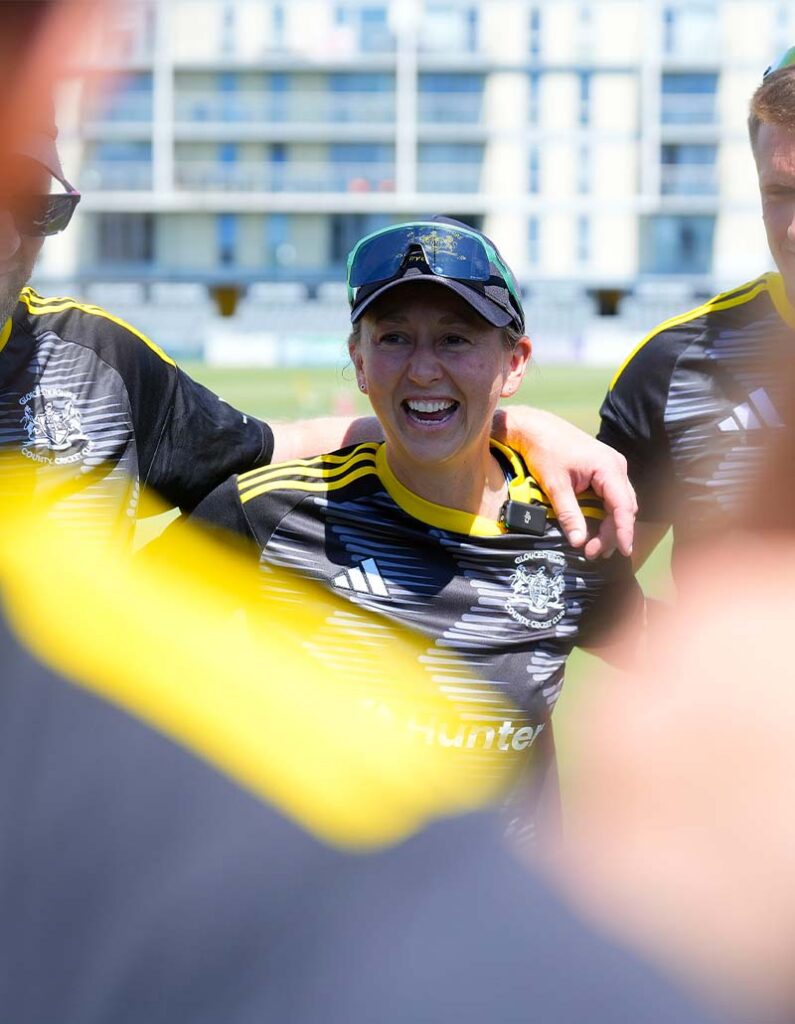
Perhaps Knight’s biggest step was on 1 December 2025 when London Spirit announced Knight as their first Women’s General Manager of The Hundred franchise, relinquishing her on-field role to prepare for her new career.
Still at the pinnacle of the sport and without question one of England’s best batters across formats, it was an eyebrow-raising move.
“I made that decision because it was an amazing opportunity. I helped build a team of staff and team of players at the start of the franchise,” Knight explains. “Working alongside Mo Bobat, who’s very good at what he does, and quite a cool person to learn off, meant it just felt like a really good decision for my future.”
While stepping back from playing was a major decision, Knight viewed it as a strategic step for her post-playing career. “I knew I wasn’t going to play for too much longer, so it was a tricky decision not to play in The Hundred. It did feel like a real investment in me for my post-career, though, and an opportunity I didn’t want to turn down. It was a new challenge as well if I’m honest, which I probably needed at the time.”
Looking forward, Knight plans to explore roles across administration, commentary, and coaching. “I want to try a few different things and see what I really like if I’m honest. I’m going to do a bit of commentary, a little bit of coaching. I’ve also got the role as General Manager of Spirit. I really enjoy the side of leading and shaping teams and working with players and staff. It was always the plan not to jump into something full-time straight away, I want to see what my life looks like post-cricket and go from there. I’m really looking forward to lots of flexibility.”
With PCA Futures Month shining a light on personal development, Knight encourages current players to focus on growth outside of sport while still actively playing.
“Personally, I’ve really benefited from having things to focus on outside of cricket,” Knight emphasises. “It’s given me a lot of perspective, a lot of things to do, and value in your life when cricket isn’t always going well. It sets you up for post-cricket.
“I’d say go for it. Cricket doesn’t last forever, and it can really help you whilst you’re playing cricket, at whatever stage of your career you’re at.”