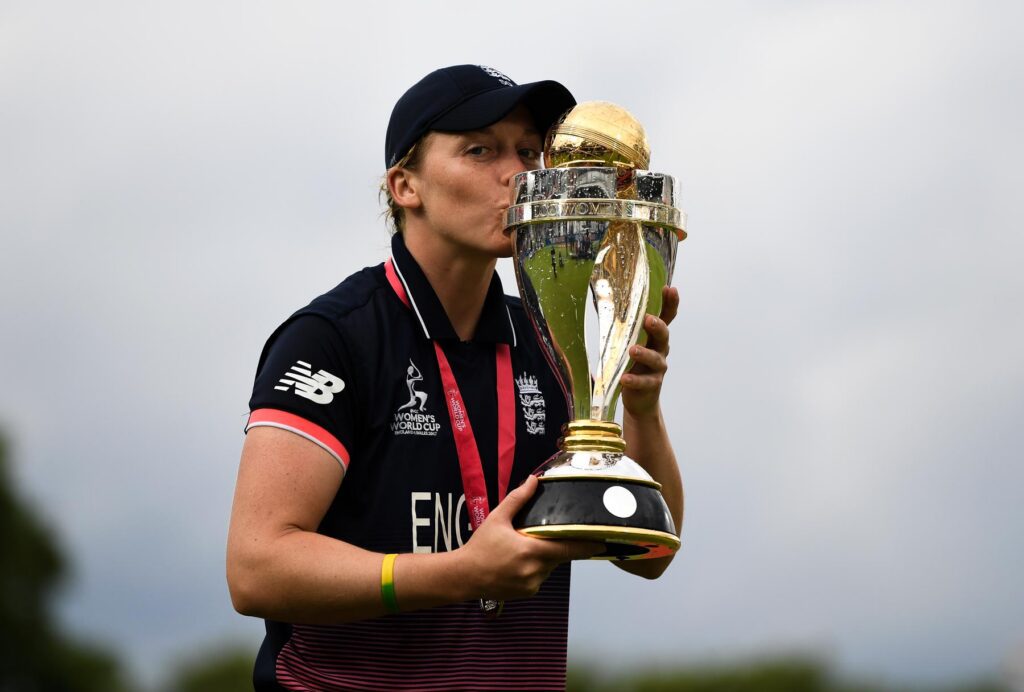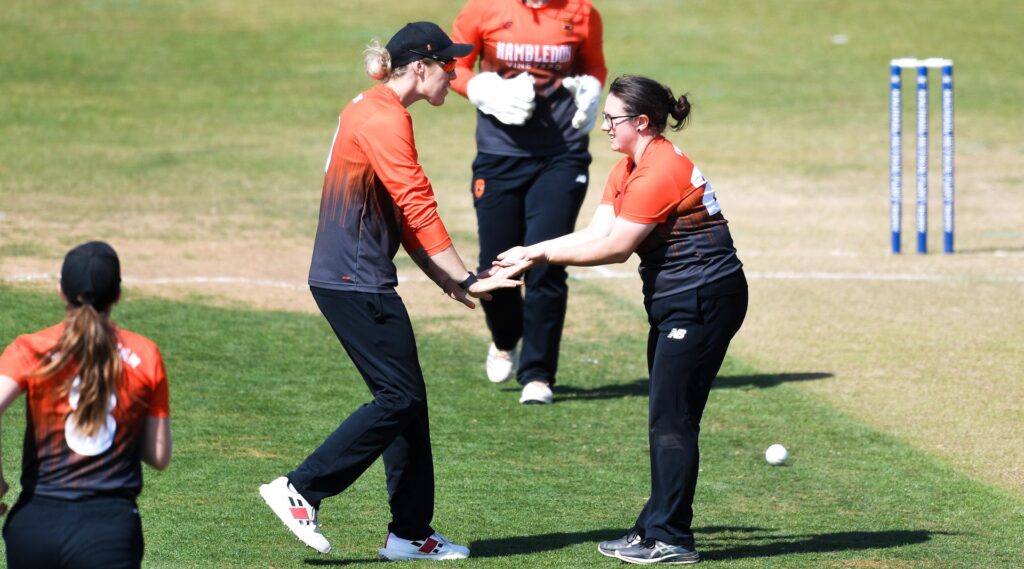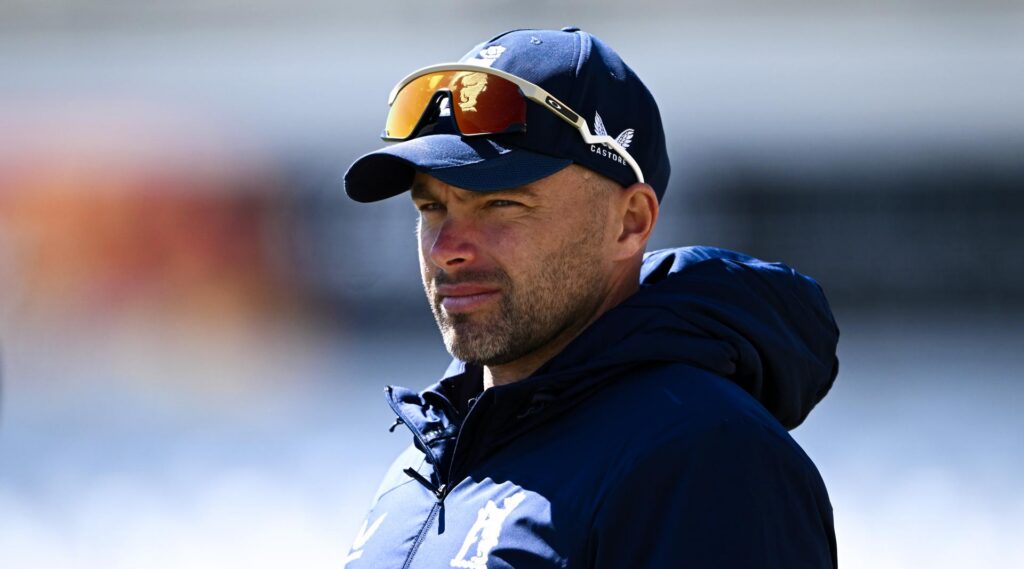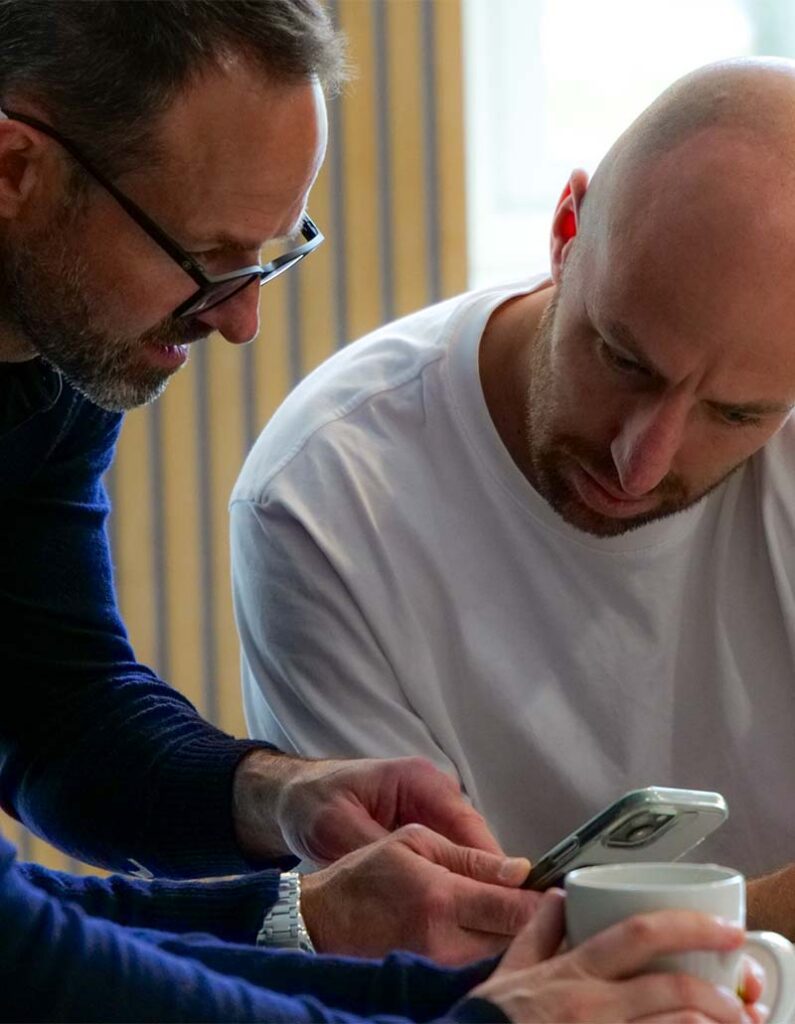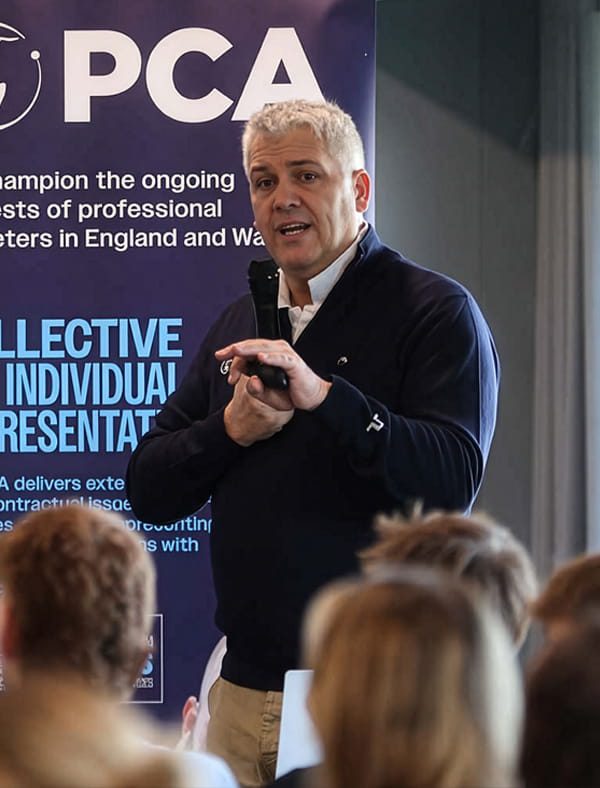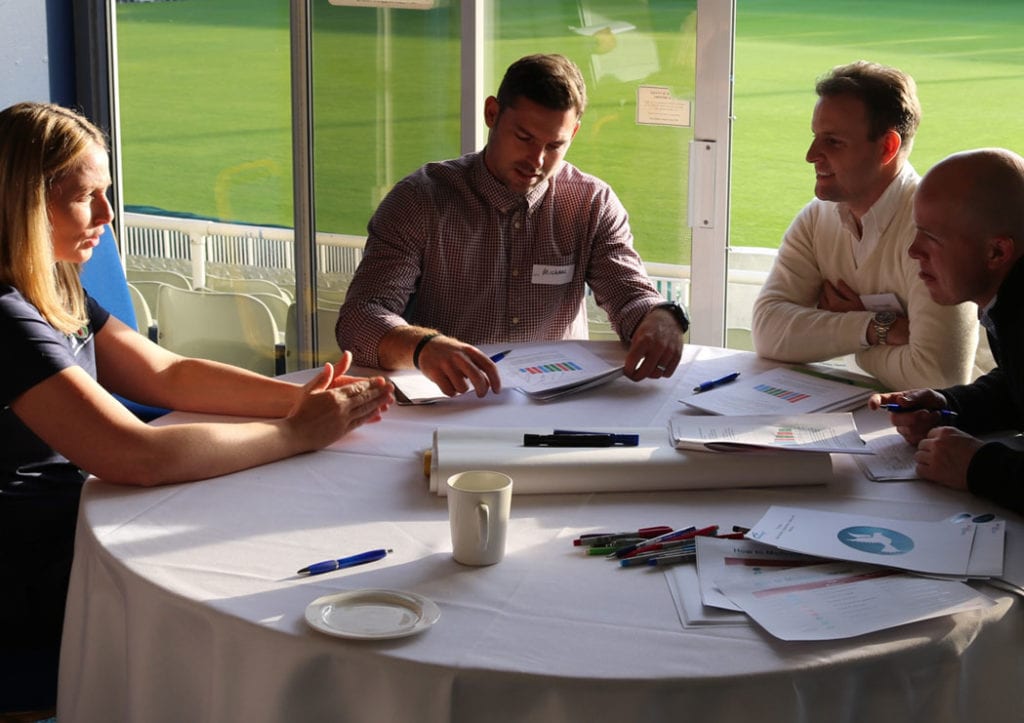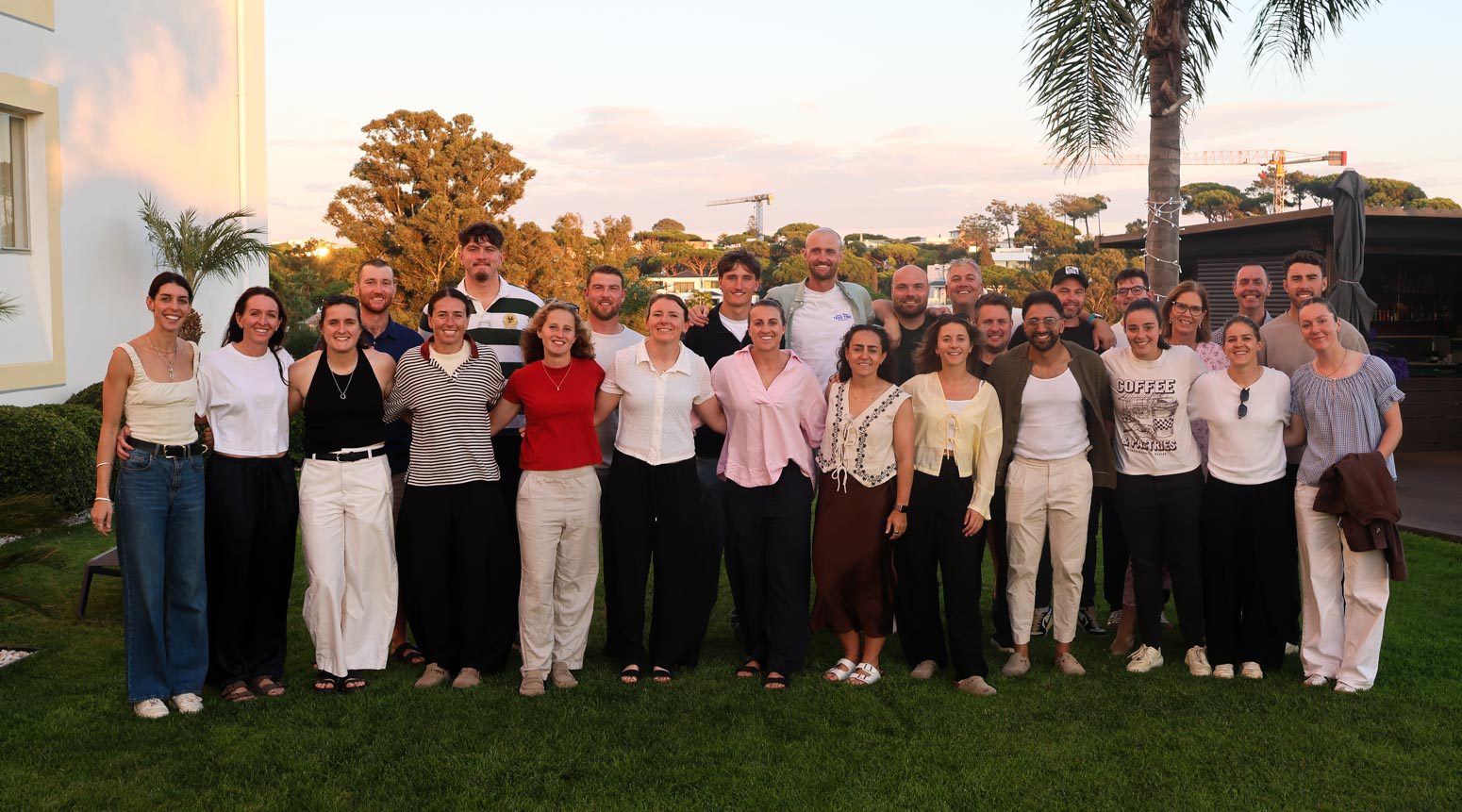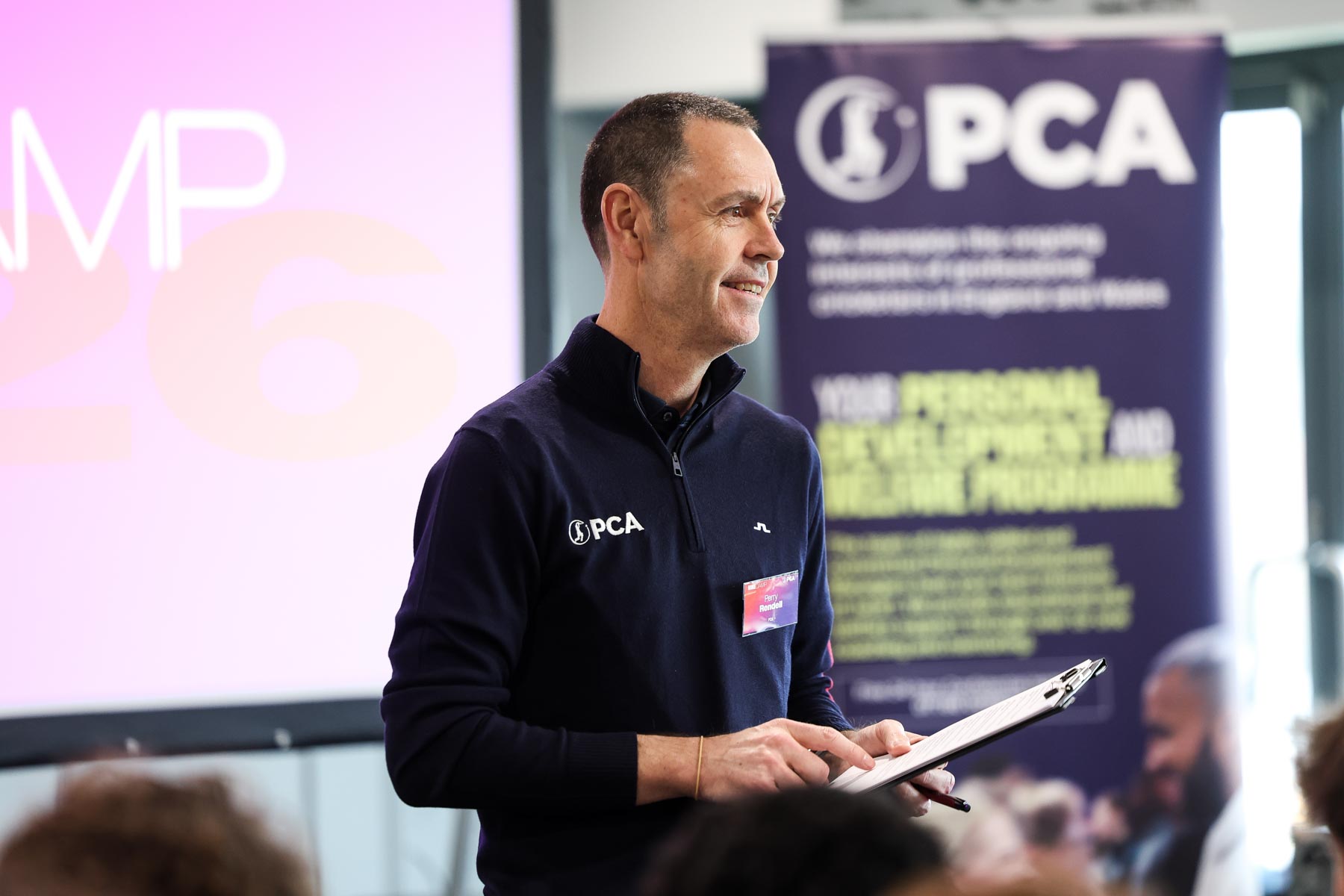

Durham and Yorkshire PDM Jas Singh, Hampshire and Sussex PDM Perry Rendell and England Men, Surrey and Essex Men PDM Tom Jones talk us through their work and explain how you can make the most of your PDM.
Watch the PDMs’ answers and read more information about what they do for members below.
What is the most important part of being a PDM?
The average age that a professional cricketer retires from their playing career is just 28. In the majority of situations, a player leaving the game involves cutting ties with coaches, physios and all other support staff that worked hard to look after them while they were under contract.
How would you sum up a typical week as a PDM?
Losing so much of the structure in your life can be disorientating. For many players, that feeling intensifies when looking to take their next step beyond playing professional cricket.
What are the most common things you deal with on a day-to-day basis?
Growing up with the aim of playing cricket can be all-consuming, and with elite sport such a fragile environment due to variables like injury and selection, the players’ motivation to look after their welfare and continue to develop themselves is vital.
What’s your favourite part of being a PDM?
That’s why the PCA introduced the Personal Development and Welfare Programme (PDWP), designed to support players in their growth into, through, and beyond professional cricket.
What advice would you give players to help them make the most of their PDM?
At the heart of the programme are 11 Personal Development Managers (PDMs), helping county and England players look after their wellbeing, develop their careers and manage change.
That could mean talking through education options, exploring a new career or discussing family life, all while keeping cricket in focus.
What three words would best describe being a PDM?
PDMs work with coaches, medical teams and senior staff, but remain independent and offer confidential advice. It is a chance to talk about players as a person, not just a cricketer.
Members do not have to wait until retirement is looming or something goes wrong. A conversation about a course, a new skill or life beyond cricket can start at any stage with relationships built whilst players progress through academies.