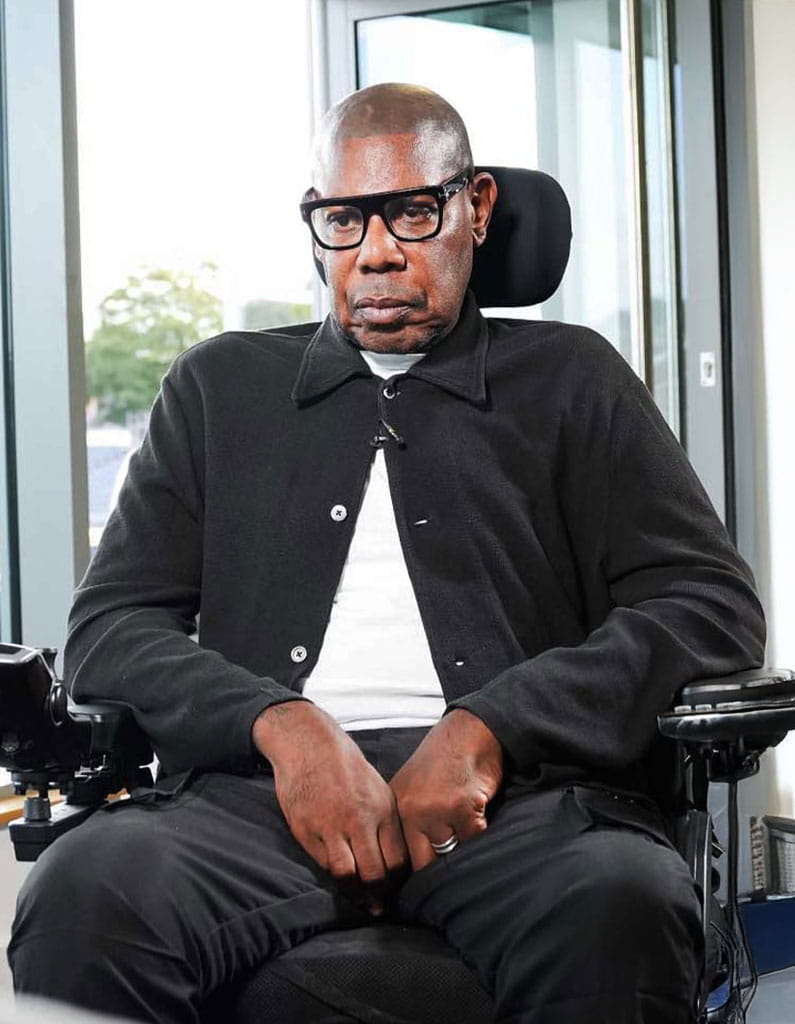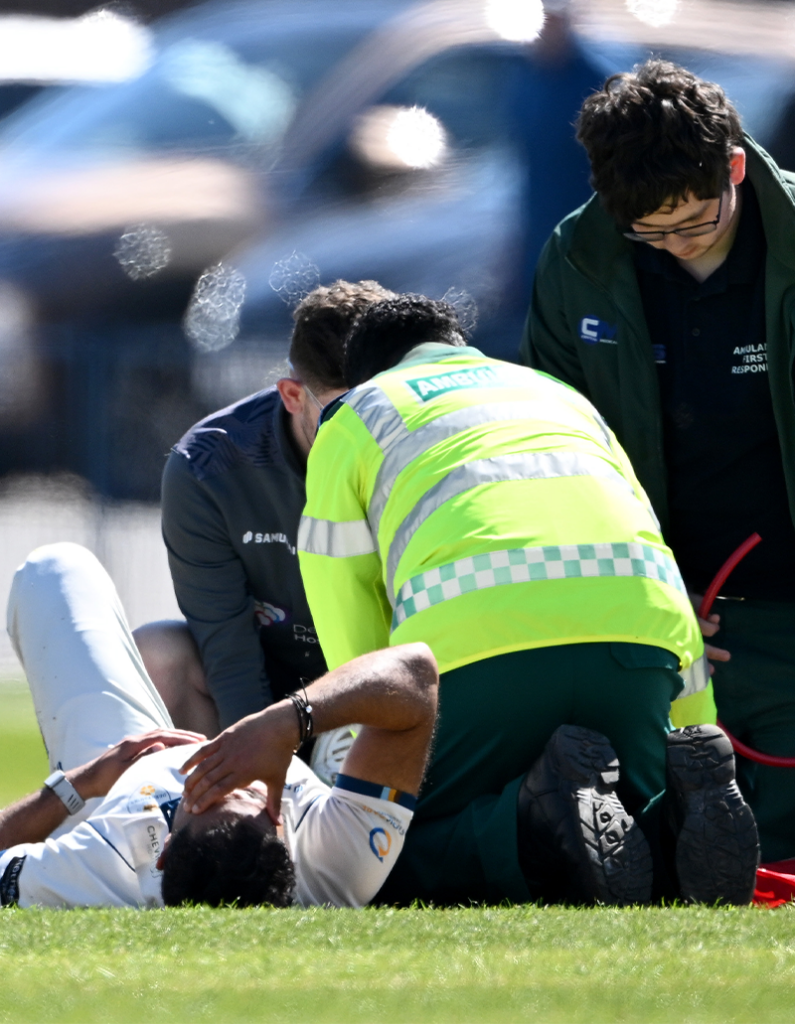

For 15 years, the Kia Oval was more than just a workplace for Matt Dunn, it was his home, his sanctuary, and the anchor of his professional identity.
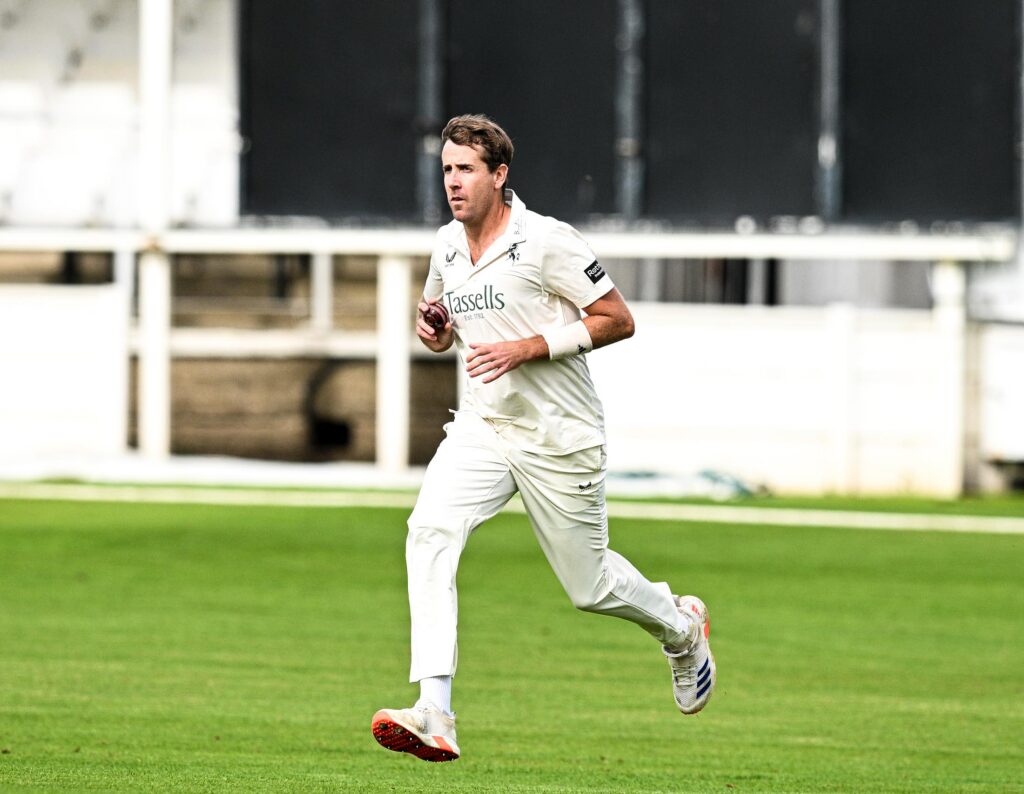
To the crowds watching, Dunn was the quintessential fast bowler: running in hard, with the capability of bowling over 90 miles per hour, and wearing the fierce, competitive smile of a man living the ultimate professional athlete’s dream.
Professional sport, however, is a master of illusion. Behind that trademark smile lay an unfolding storm that eventually pushed Dunn to his absolute breaking point.
Like so many cricketers, Dunn’s passion for the game was born out of pure enjoyment. Growing up, he played countless hours of garden cricket with his father and older brother, throwing himself into every sport available.
By the age of 10, Dunn was playing competitive cricket, eventually catching the eye of Surrey pathway coaches. Despite a severe shoulder injury that wiped out his entire Under-13 season, Dunn returned with a breakthrough year at Under-14. It was at the prestigious Bunbury Festival a year later that the trajectory of his life permanently changed. He picked up several awards, bowled with ferocious pace, and earned selection for the England Under-15s.
“Before that, I was probably quite naive,” Dunn reflected. “I just turned up, did my thing, ran in fast and tried to hurl it down there as fast as I could.”
Selected for the Surrey Academy, Dunn’s life became a whirlwind of commitment to training. At 18, he signed his first professional contract, spending 15 years inside that professional bubble, sharing dressing rooms with global superstars such as Graeme Smith, Ricky Ponting and Kevin Pietersen.
Dunn would go on to take 171 wickets from his 91 professional matches across all three formats, including a bumper year in 2014 where he took 47 First-Class wickets alongside 13 in T20 cricket.
For a long time, cricket was Dunn’s entire world, an obsession that dictated his sleep, his diet, and his mental state. In his early twenties, injuries and setbacks would consume him, causing him to fixate and obsess over the sport. That all changed at the age of 26 when his son, Freddie, was born in 2018. Family became his primary focus as he found his true purpose away from the boundary edge.

”It’s about being a protector and a provider. Everything I do, is so my kids can have a good life. That is my sole driver, that’s all I care about and then my career is just facilitating that.
Matt DunnFormer Surrey Bowler
In 2020, the family welcomed their daughter, Florence. She was a beautiful, vibrant baby girl, a ‘pocket rocket’ with an infectious energy for life.
But at five-months-old the family's world shattered.
Florence suffered her first fever, which immediately triggered a seizure. While febrile seizures are relatively common in young children and typically last only a minute or two, Florence’s body reacted differently. Once she had a seizure, she could not come out of it without intensive medical intervention.
Dunn was playing for Surrey when Florence’s first major medical emergency occurred. Coming off the field, he had eight missed calls from his wife, Jess, and five from his mother-in-law. Florence had been rushed into intensive care.

“Every other week we were rushed into hospital. Florence would be pumped full of drugs, seizing for about two to three hours.”
At six-months-old, genetic testing confirmed a diagnosis of dravet syndrome, an extremely rare and severe life-limiting neurological condition. It marked the beginning of a gruelling, two-year battle.
The family lived in a state of reactive crisis. Florence would suffer frequent seizures, requiring immediate hospitalisation for days at a time. The winter months were particularly brutal, where a seizure would be followed by a five-day recovery period to overcome the side effects of the powerful medications.
The couple traded agonising hospital night shifts, with Dunn often spending the night at Florence’s bedside, and on just two hours sleep, would then drive straight to training. During one training session, coach Vikram Solanki pulled him aside, “Dunny, mate, you look tired,” the coach said. Dunn’s response was simple: “Mate, I’m pretty broken.”
”We didn't really know what to do because I had no other prospects outside of cricket, I had a family I had to look after, and I had a wife who was crumbling who I also had to look after. It was a testing time and I wish I'd reached out earlier.
Matt DunnFormer Surrey Bowler
Yet, Dunn kept turning up. As a fast bowler, his job required immense physical fitness, rhythm, and consistency. But with no consistency in his training, his confidence began to spiral. He felt like an imposter, operating on ‘absolute autopilot’.
One of Dunn’s regrets from the ordeal was the heavy silence in which he chose to carry it. By his own admission, Dunn was a classic ‘suffering in silence’ character. Around his teammates and the Surrey staff, he maintained a jovial, funny persona, always displaying a warm smile. His wife Jess disliked this coping mechanism, witnessing the stark contrast when he would return home and collapse physically and mentally.
“Don’t wait for that moment when you’re at your worst point, the Cricketers’ Trust are there for whatever you need. I’ve been trying to communicate this to others players, they might be fine now but overnight things can change.”
Dunn was paralysed by a very real, professional fear. Operating on year-to-year contract renewals, he worried that if he revealed the true, overwhelming extent of his family’s domestic crisis, the club would doubt his availability and choose not to renew his contract. He had a mortgage, a wife who had been forced to let her self-employed business dwindle to provide full-time care for Florence, and a young son to support.
“I had the fear because I was like, if I tell Surrey too much about this, they’re going to doubt signing me next year,” Dunn admitted.
This pressure created a double isolation. Not only did Dunn shield from his teammates, but he and Jess also closed themselves off from their own families. They did not want to expose their parents to the extreme stress of Florence’s condition, leaving them on the ‘last edge’ of emotional exhaustion, desperately waiting for a medical miracle or a genetic breakthrough that never came.

In 2022, the fragile structure of their survival mode collapsed. Overnight, Florence passed away at just two-and-a-half-years-old.
The family had recently relocated to be closer to Jess’s mother for support. They had just purchased a house that required extensive renovation, saddling them with a brand-new mortgage. Dunn was in the final year of his Surrey contract, his cricketing career was flagging, his shoulder was failing, and the family’s financial reserves were depleted.
Then, in the very same week they lost Florence, the family discovered Jess was pregnant, but the emotional collision of losing a daughter while preparing for a new life was incredibly difficult to process.
Waking up the morning after Florence died, the reality of the situation hit Dunn with brutal force. He was emotionally spent, financially stretched, and physically broken. He could no longer pretend. He picked up the phone and dialled his close friend and Surrey teammate, Rory Burns.
“Can you just let them know? Can you deal with it?” Dunn asked. He could not speak to anyone else. Burns stepped in immediately, notifying the club and triggering the involvement of the PCA and the Cricketers’ Trust.
When Dunn finally opened up to the Trust’s representatives, the floodgates opened. For the first time, he revealed the full scale of his silent struggle.
The response from the Trust was instantaneous and unconditional. “They stepped in and relieved the largest amount of pressure I had at that point. I spoke to Thomo (Ian Thomas) and TJ (Tom Jones) and I had to go, ‘Look I’m not okay here’, there was loads of stuff I should have told them over the last two years. That phone call meant everything to me,” Dunn explained.
The Trust offered immediate counselling services for Matt and Jess, but perhaps most importantly, they brought a structured financial roadmap to a family that felt completely lost. They assured Dunn that even if his professional cricket career ended, they would protect his family. Those reassuring words allowed Dunn to lay down the immense emotional burden he had carried for years.
”Grief is a journey that never ends, I know that if I needed more support now, the Trust would be there for me straight away.
Matt DunnFormer Surrey Bowler
Surrey granted Dunn a contract extension, but his shoulder simply would not recover despite multiple surgeries and injections.
Dunn attended the PCA’s Futures Conference in 2022, which opened his eyes to opportunities outside the sport. The Trust and the PCA helped him realise that the elite attributes developed in professional sport of resilience, work ethic and adaptability, were highly transferable.
With the financial buffer of the PCA’s Futures Fund and insurance support managing his career transition, Dunn was able to step away from cricket in August 2025 with a profound sense of relief rather than terror. Within less than a month, he transitioned into a brand-new career in technology and cybersecurity.
“I owe my situation today and where I’ve rebuilt my life solely down to the Cricketers’ Trust, I feel forever indebted to them,” stated the 34-year-old with immense gratitude.
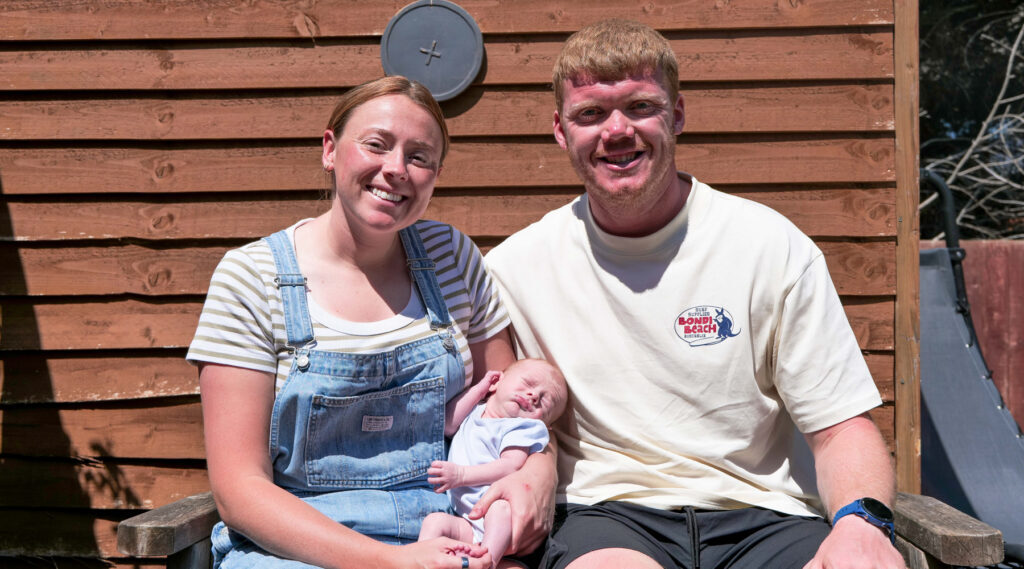
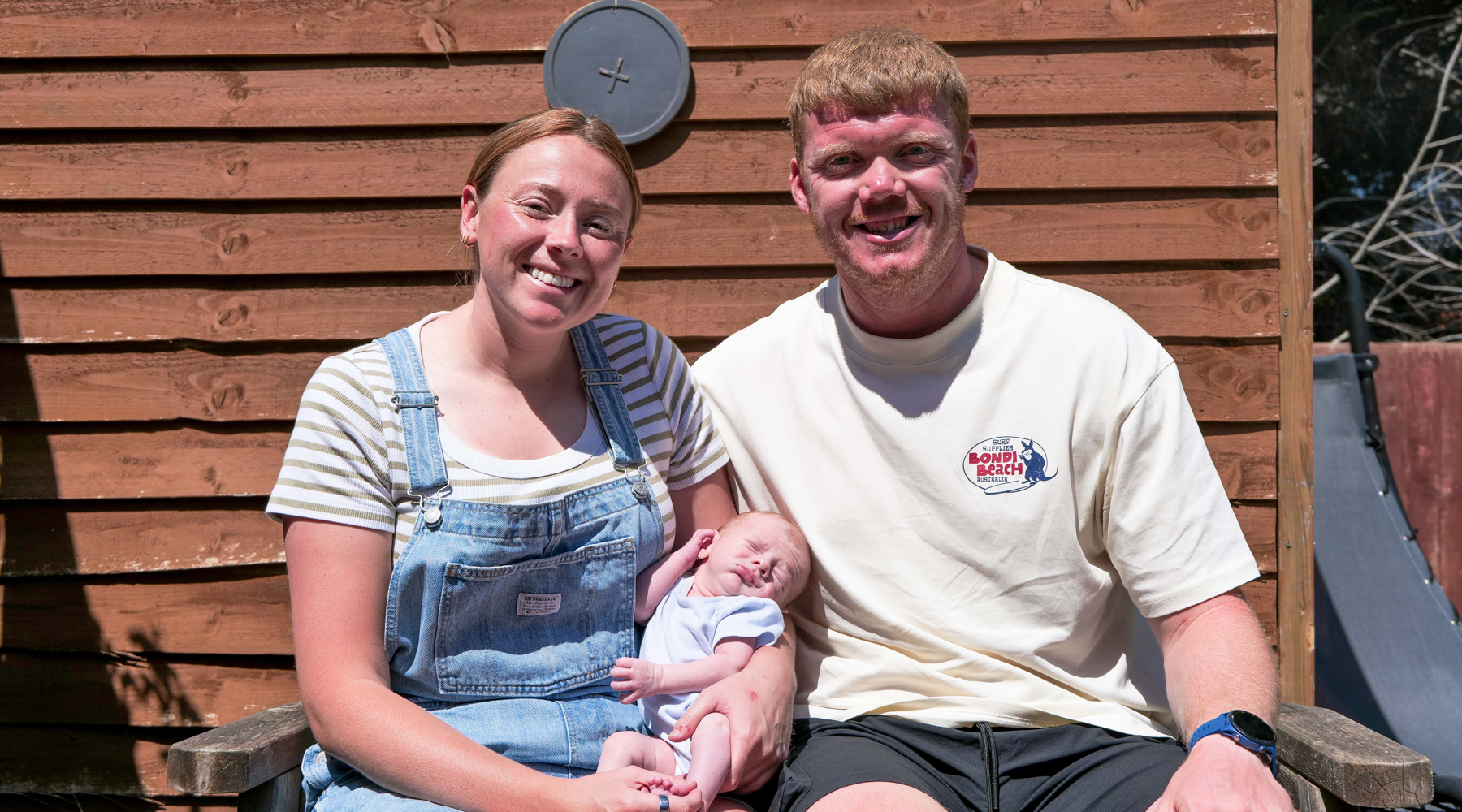
Today, the Dunn household is once again filled with the chaotic, beautiful noise of a young family with eight-year-old Freddie, two-and-a-half-year-old Dottie, and a newborn baby boy, Wilfred.
The path to this new normal has not been easy. Dottie was born just nine months after Florence passed away. She is the spitting image of her late sister, which made the first 18 months of her life incredibly difficult to navigate. Every time Dottie ran a minor fever, the family would worry, waiting in terror for a seizure that genetic testing has now fortunately ruled out.
“We see so much of Florence’s personality in Dottie and how visually similar they are. Jess and I know that our children will have that little angel on their shoulder guiding them through life.”
The family have emerged from the fire stronger, they do not treat Florence’s memory as a taboo subject, her pictures adorn the walls, and her vibrant, ‘pocket-rocket’ legacy guides the family forward.
By choosing to speak out, Dunn hopes to break down the barriers of grief and encourage the next generation of cricketers to engage with the Trust early. For the former Surrey quick, the Cricketers’ Trust did not just provide a grant or a phone call, they gave him his life back.