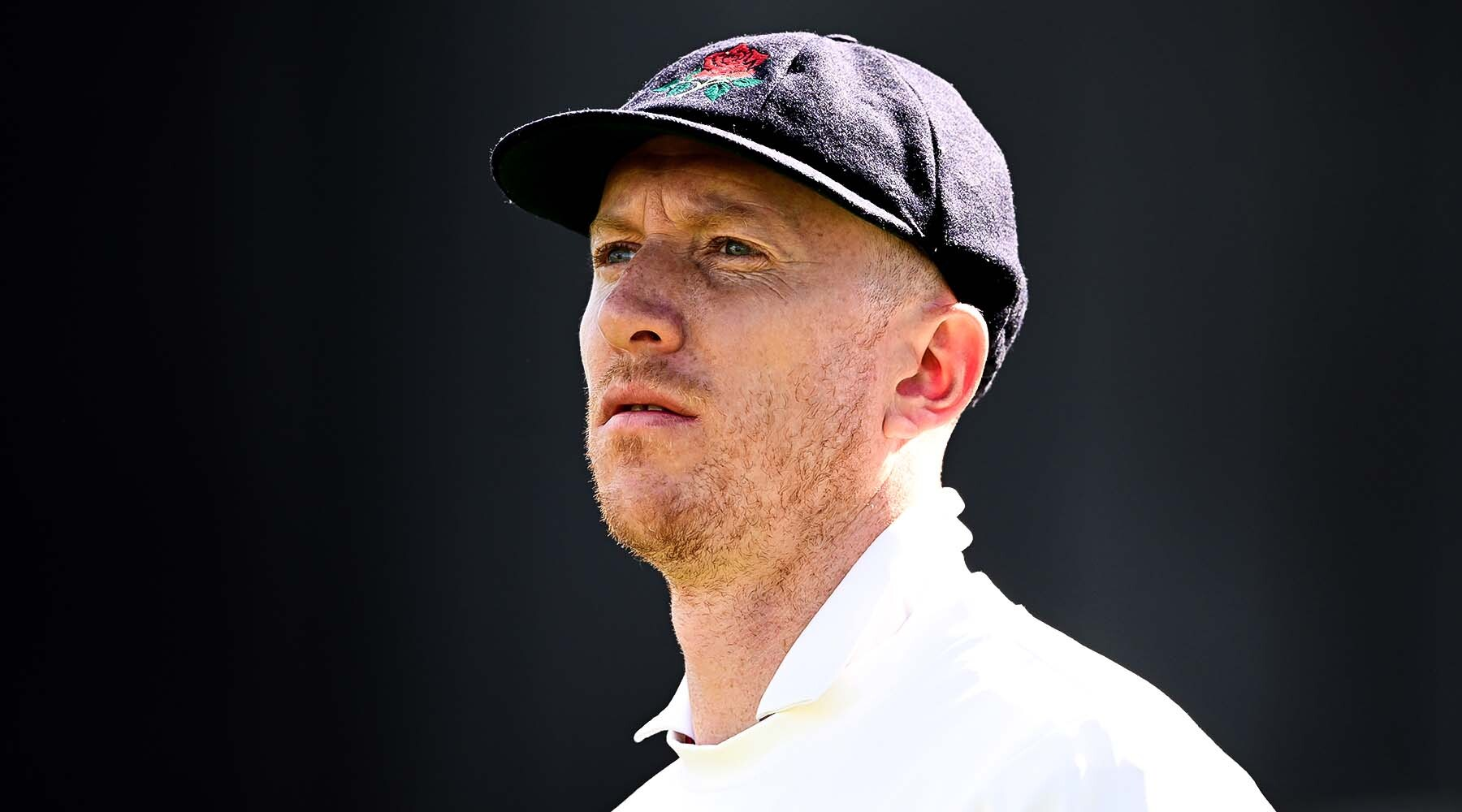

Injury is a strange part of being a professional cricketer. We all know it is part of the job, but I’m not sure that makes it any easier when it actually happens to you.
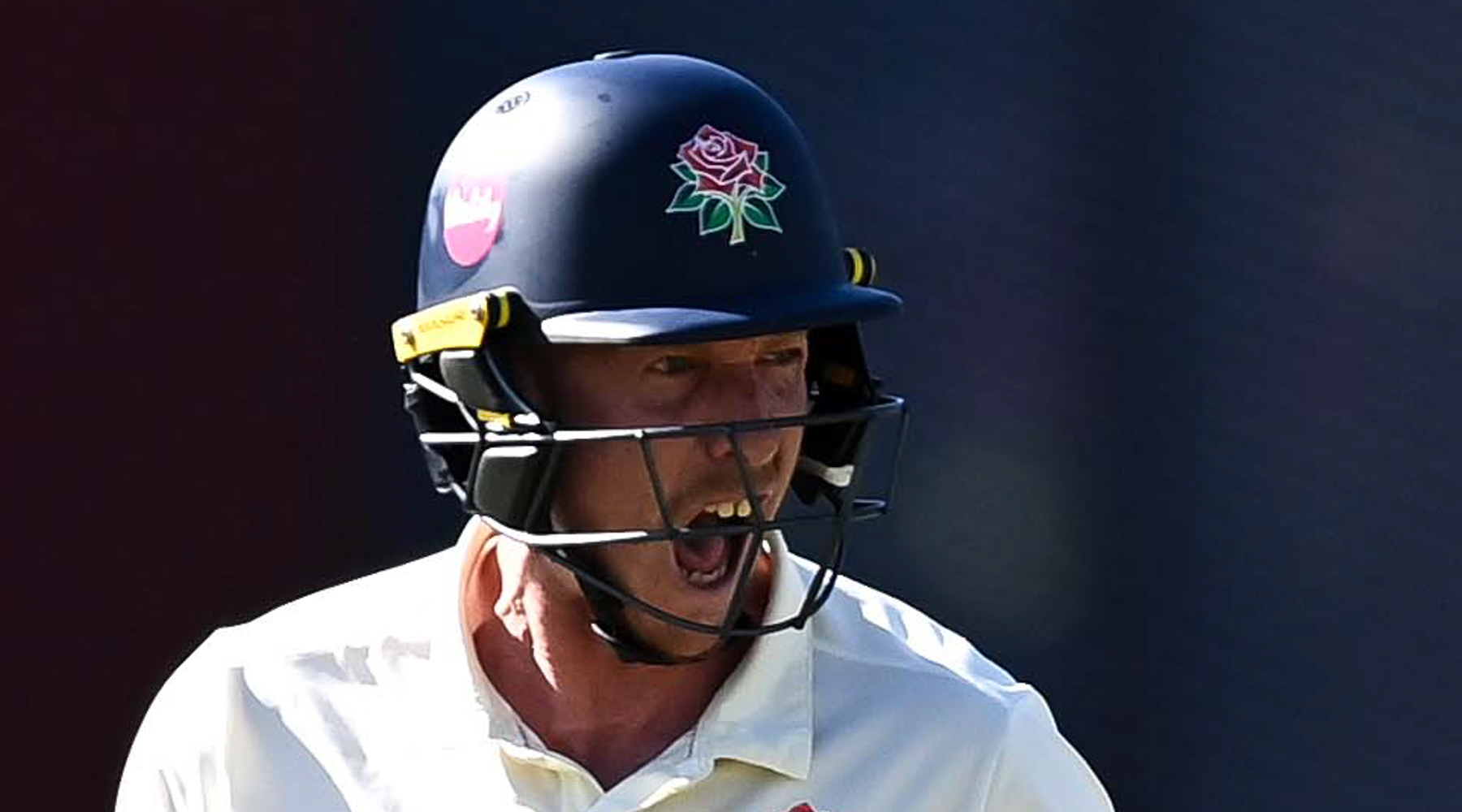
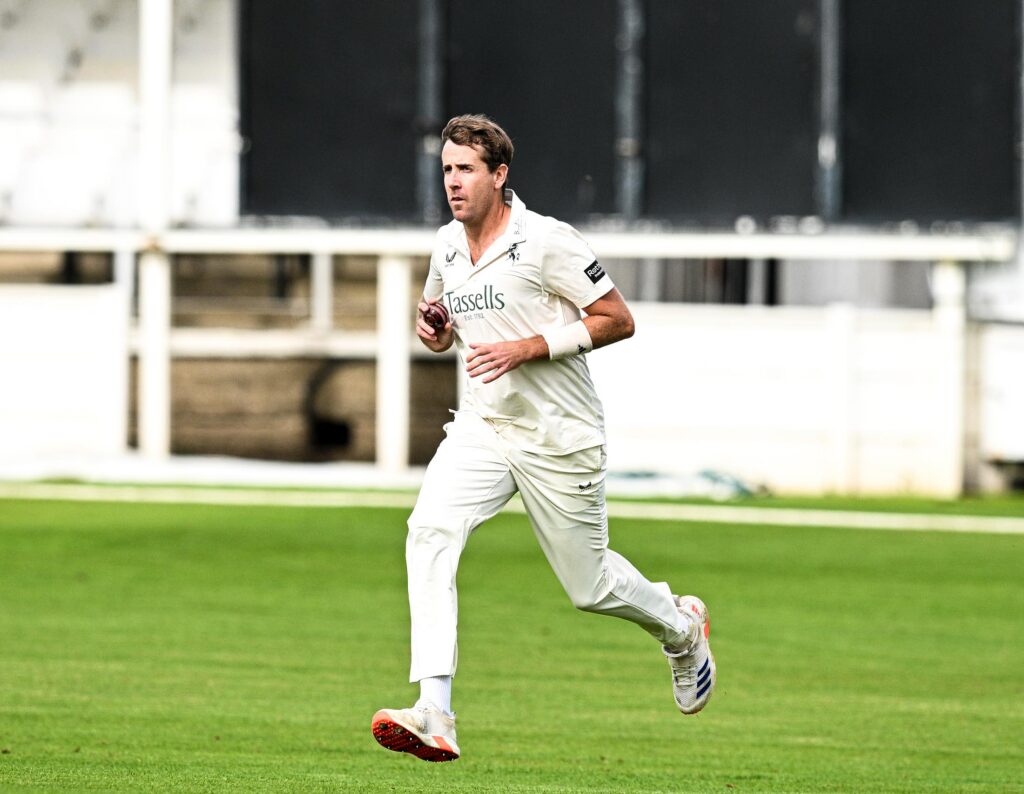
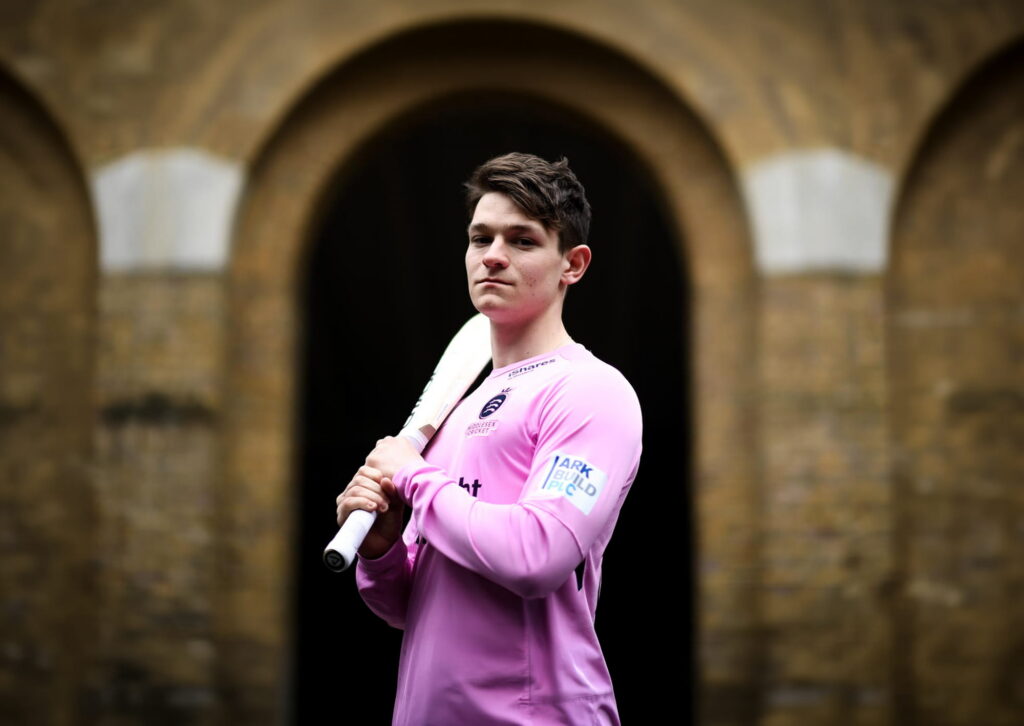
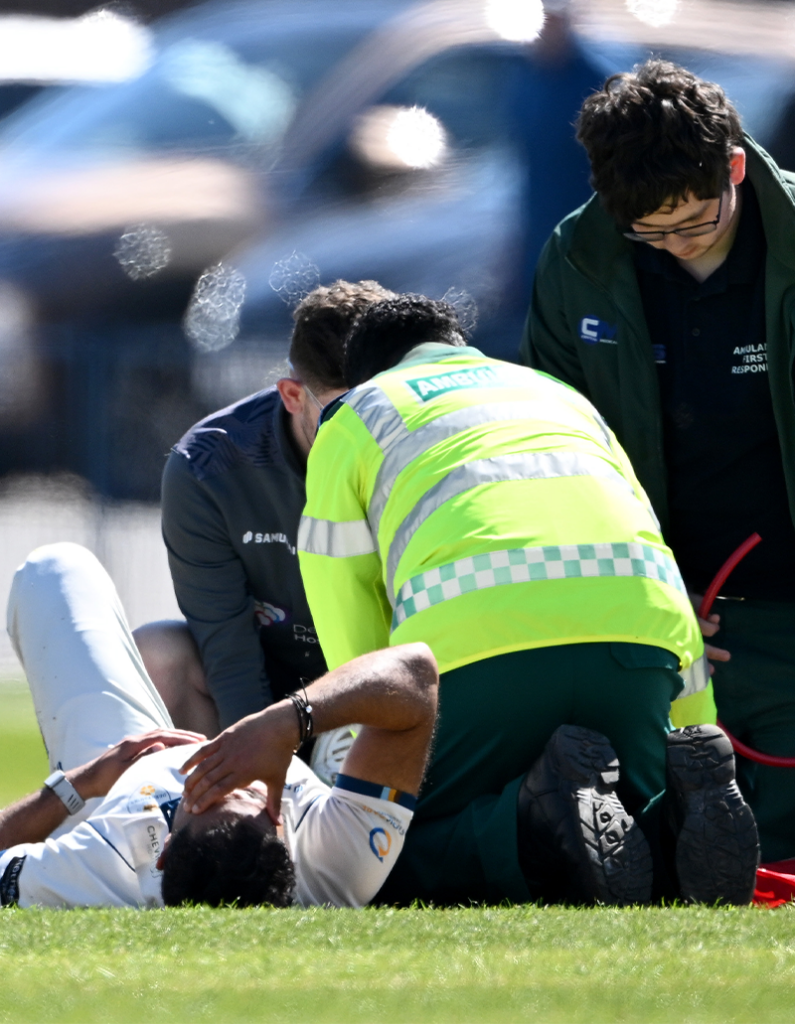
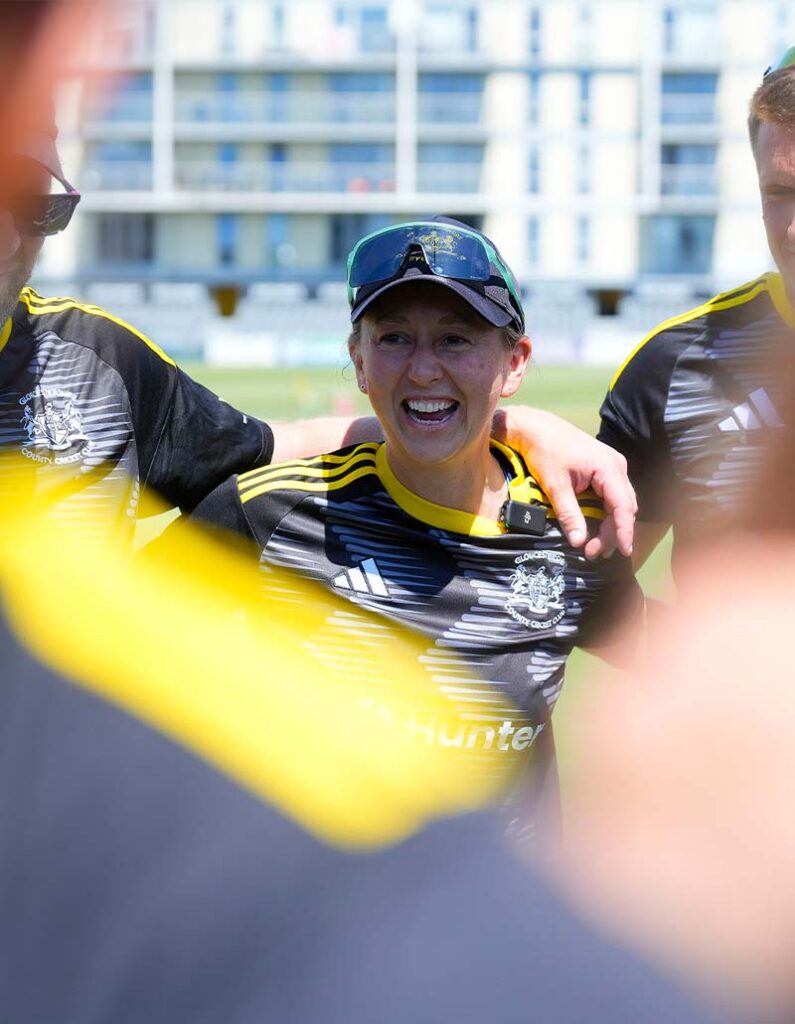
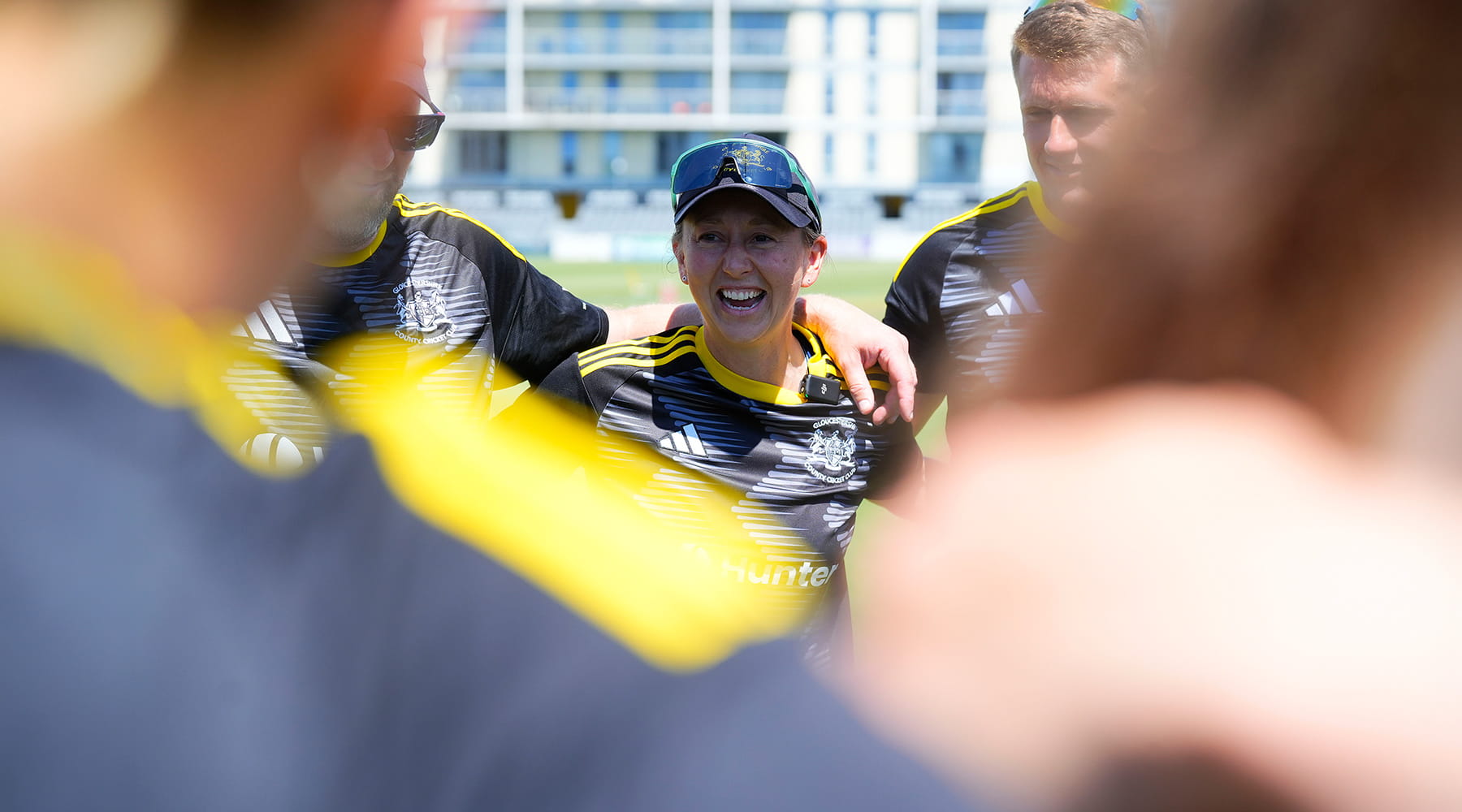
The third round of the Rothesay County Championship at Bristol against Gloucestershire turned into a pretty miserable game for us from an injury perspective. On day one, Ajeet Singh Dale suffered a grade-four hamstring injury. Then, on day three, I dived at fine leg and traumatically dislocated my shoulder. We ended up needing two injury replacements in the same game, which summed up that week, albeit we managed to win.
What made it particularly frustrating for me was the contrast between where I was physically beforehand and where I suddenly found myself afterwards. I came into this season probably in the best shape I’ve been in during my career. I’d worked incredibly hard over the winter, felt fit and strong, and was in a really good place physically.
Then, very quickly, that changes. You get injured, it’s then a waiting game to find out exactly what the next steps are, eventually have surgery, and then begin the long process of building yourself back up again.
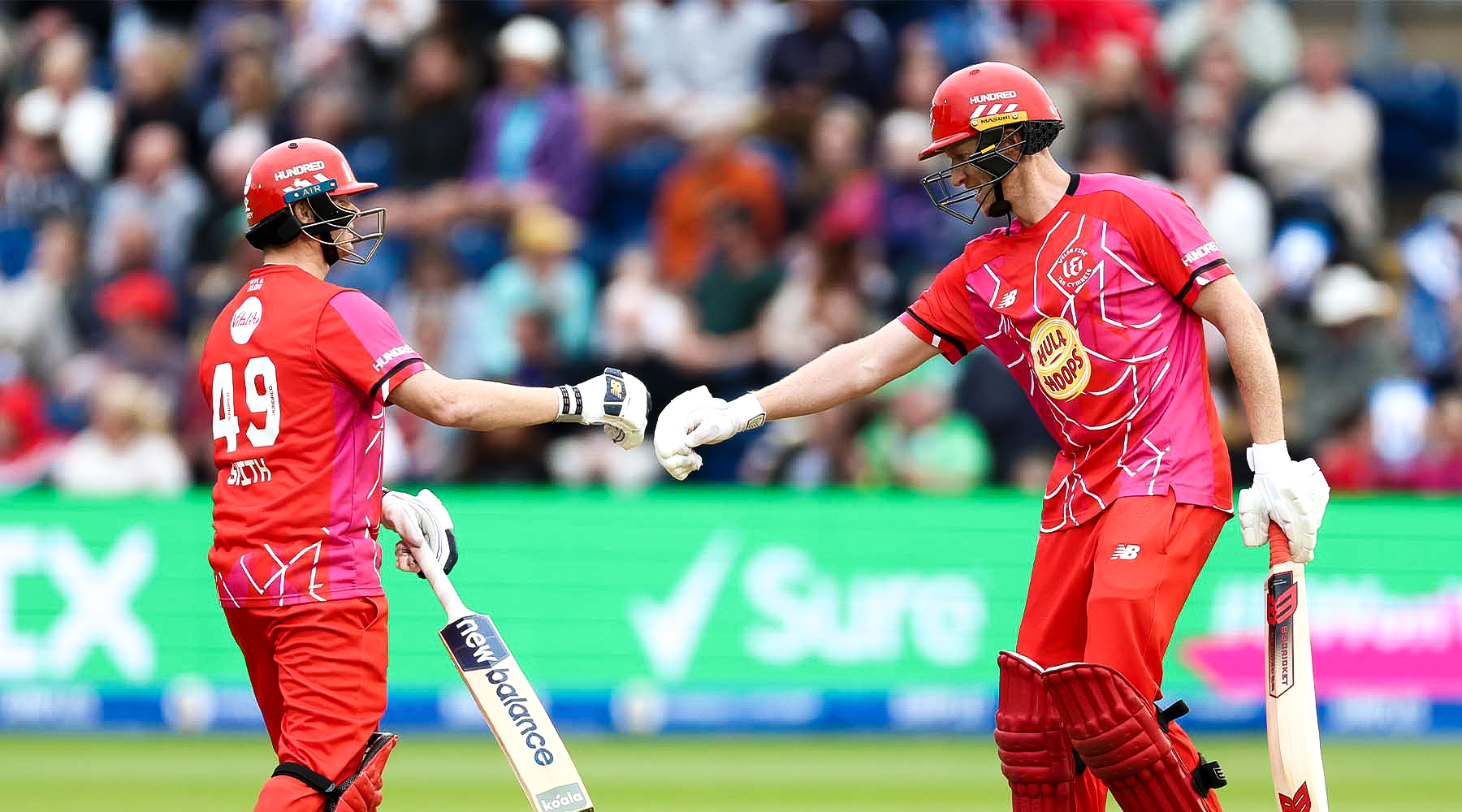
”Something I’ve tried to hold onto throughout this injury, though, is perspective.
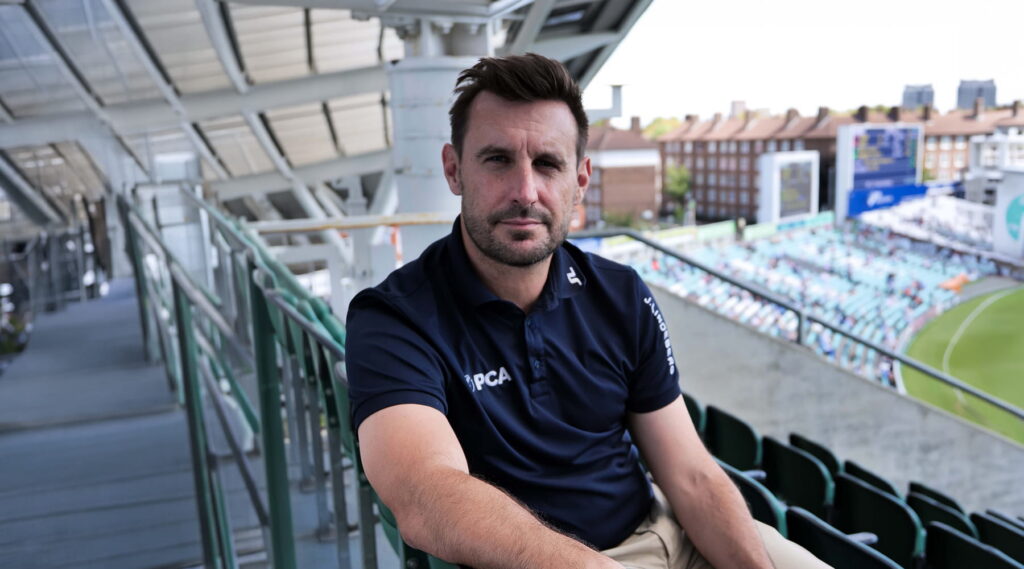
Luke WellsLancashire
There’s obviously the physical frustration. Fitness that takes months to build can disappear remarkably quickly.
But there’s another side to injury that I think can be harder to appreciate until you experience it: you stop feeling like a cricketer.
You’re no longer preparing for the next game. Your days aren’t dictated by training, selection, travel and matches. Instead, they’re built around rehab sessions and relatively small markers of progress. Meanwhile, the season carries on without you. The team trains, travels, wins, loses and moves onto the next game. However much you remain part of the squad, inevitably you do feel slightly removed from it.
That loss of structure and purpose can be difficult, particularly when professional sport has dictated the rhythm of your life for such a long time.
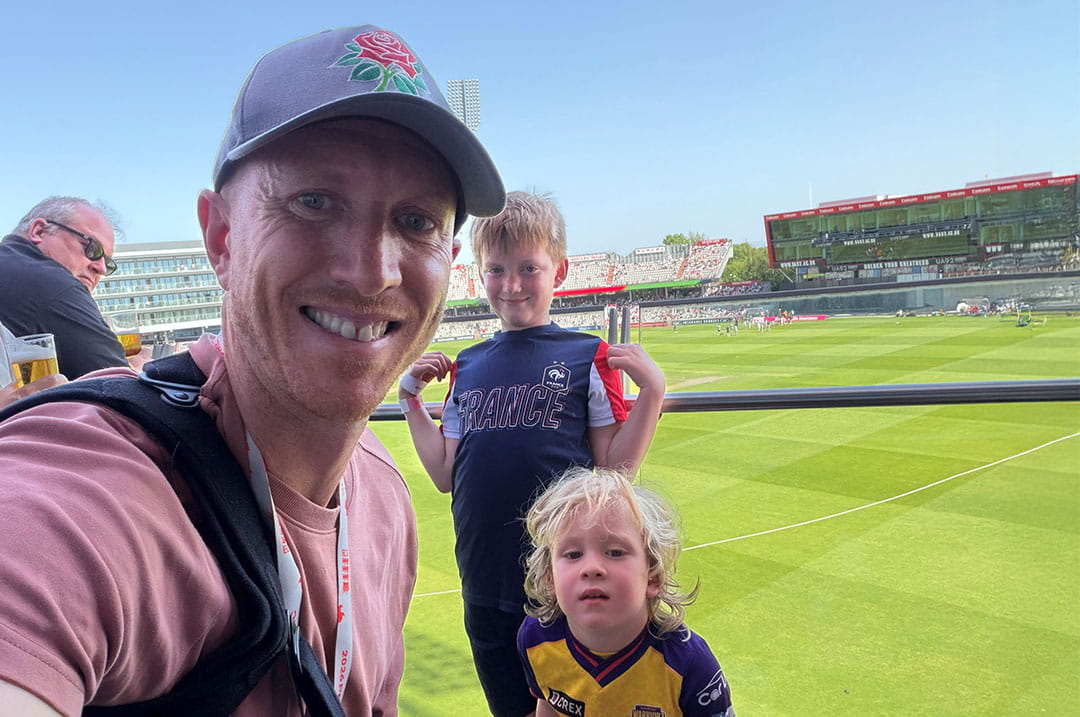
There have been other things happening in my life during this period which, without going into detail, have been far more important than whether or not I’m able to play cricket.
In an odd way, that has probably helped me deal with the injury differently.
Cricket matters enormously to me. It has been a huge part of my life and I still love performing, competing and contributing to the team. But an injury isn’t the end of the world. It’s temporary. I will recover, I will get fit again and I will play again.
Perhaps one of the challenges of professional sport is remembering that distinction. Something can matter enormously without having to become everything.
I’m trying to approach my rehab in the same way I would approach preparing for a season: work hard, be consistent and control what I can control. Some days the progress feels significant; on others it can feel painfully slow.
But there is progress.
And, when I eventually walk back onto a cricket field, which will be beyond this summer, I know I’ll return not only physically stronger, but with a little more appreciation for being there in the first place.